
Coffee is Sweet
Menu
Origin Profile

Colombia

Colombia in the cup

A short read

Taste it on the page first: notes, landscape, process, then how to spot the bag.

For people who already brew

Terroir, farmers, altitude, and a brew that fits this origin - plus how the process shapes the cup.

The origin guide

Producer story, harvest, variety, and process detail. Empty still means we will not guess a farm we cannot name.

What it is like

Balanced and reliable: caramel sweetness, a smooth body, and a gentle fruit brightness rather than a sharp bite.

Andean regions including Huila, Nariño, Cauca, and the Eje Cafetero

What to say at the cafe

A washed Colombia - Huila, Nariño, or Cauca if you have a region - caramel, not charcoal-dark.

Milk and serve

  • Black
  • Dairy
  • Oat
  • Hot or iced

In the cup

  • panela / caramel
  • red apple
  • mild stone fruit
  • brown sugar
  • cocoa finish

Silky medium body with a gentle sparkle - sweet first, then fruit.

Sensory shape

sweetnesssparklebodyroastlayers
Relative to this catalog, not SCA scores.

Natural sweetness

Origin landscape

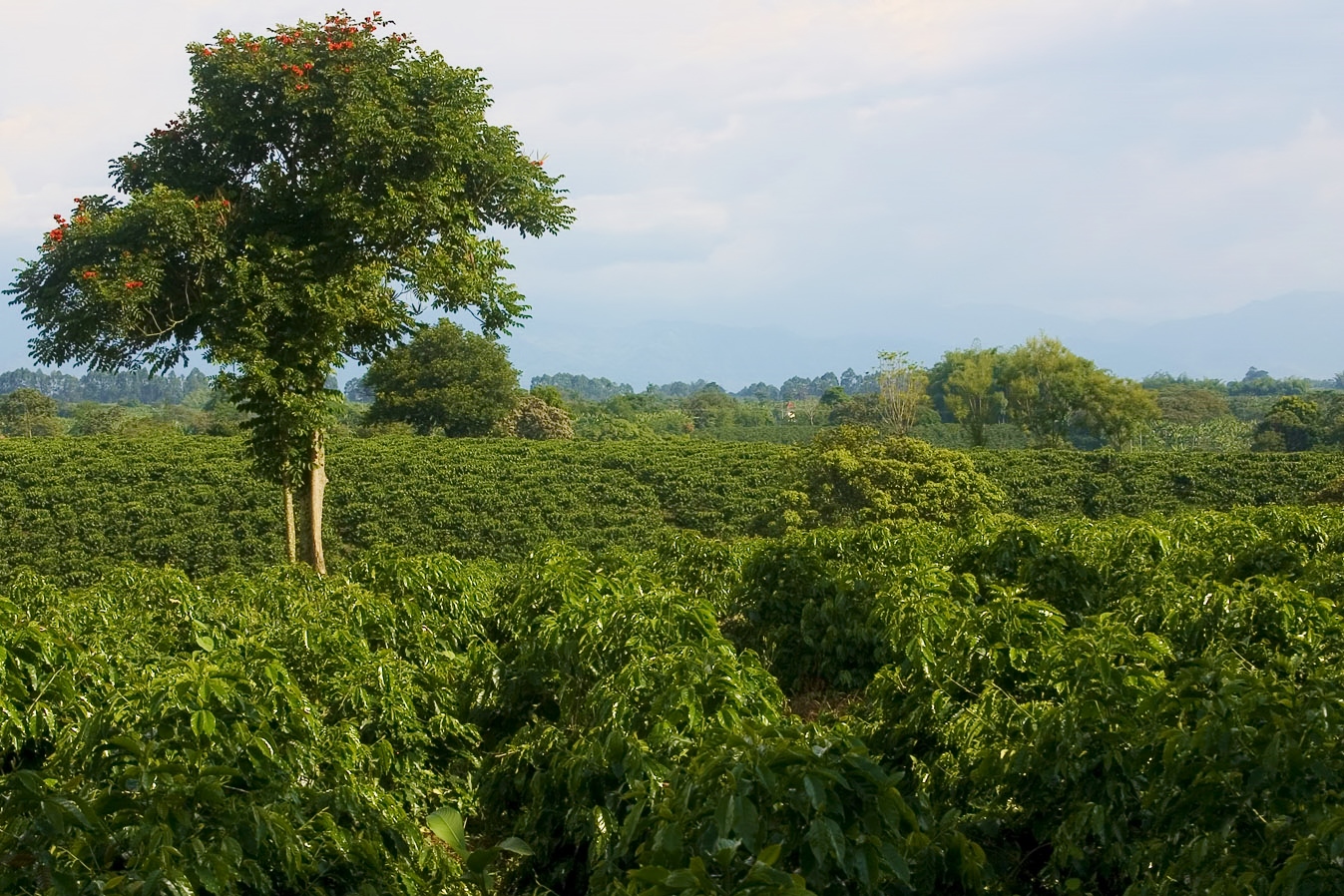
Coffee plantation hills in Quimbaya, Quindío, in Colombia’s coffee axis

Coffee plantation hills in Quimbaya, Quindío, in Colombia’s coffee axis

Shaun McRae / Wikimedia Commons · CC BY 2.5

The Andes split Colombia into many microclimates. Two harvests a year are common because the equator and the mountains stagger ripening. Volcanic and sedimentary soils, high rainfall, and shade trees feed the classic washed cup. Nariño’s thin air and Huila’s fruit-forward reputation are why those region words matter on a bag.

Farmers and harvest

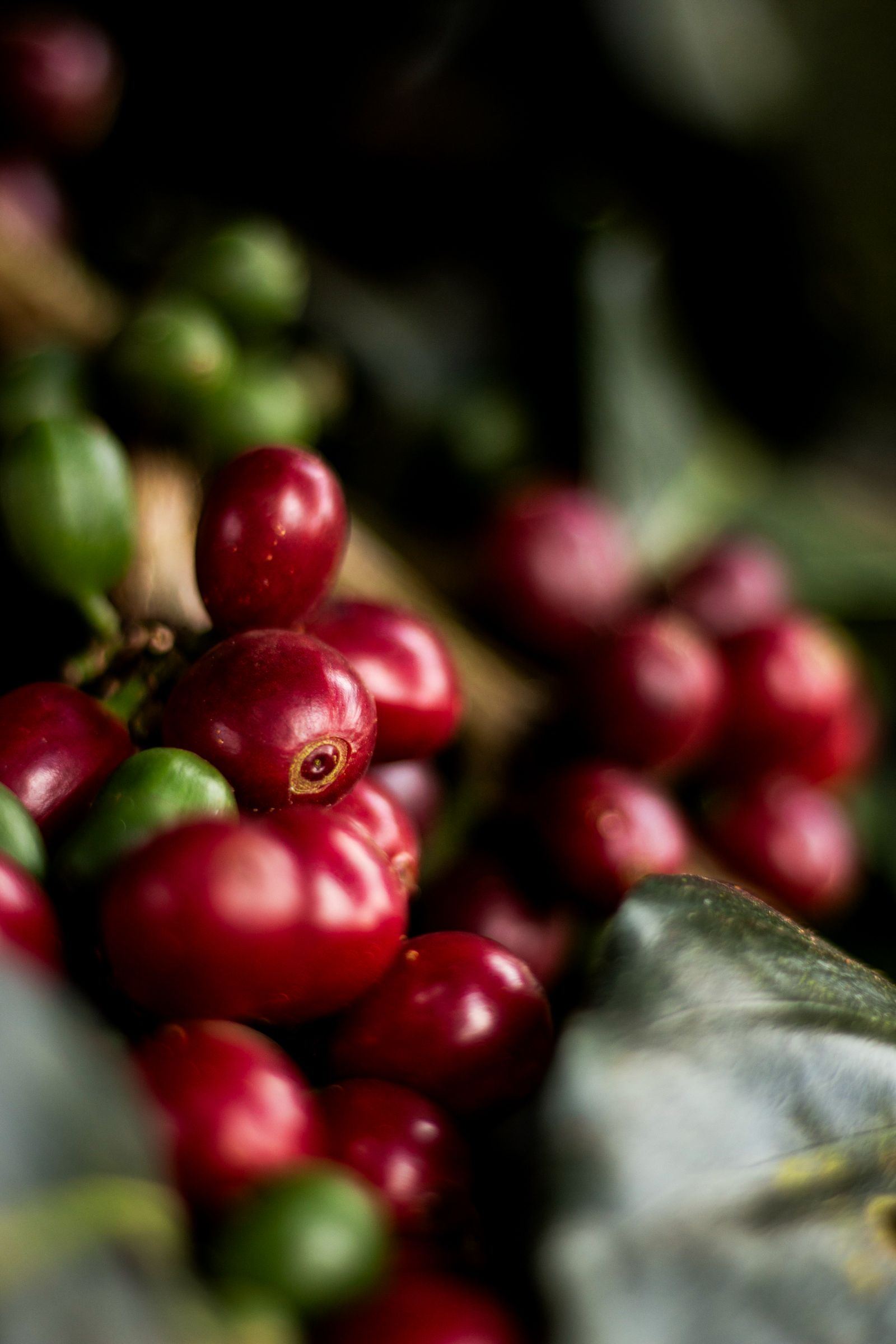
Ripe red and green coffee cherries on the branch in Valle del Cauca, Colombia

Ripe red and green coffee cherries on the branch in Valle del Cauca, Colombia

Jhon Kenny / Pexels · Pexels License

Who grows it

Smallholders and associations; look for a farm or vereda name on specialty bags.

Who grows it

Most Colombian coffee is grown by families on a few hectares, delivering cherry or parchment to cooperatives and private mills. Traceable lots name the producer (for example Huila families around Pitalito and Acevedo) or a regional association. The FNC still shapes the washed baseline; importers such as the farms behind Café Granja La Esperanza show the experimental extreme.

Process

Mostly washed; experimental anaerobic lots show up on specialty bags.

Process in detail

More than nine in ten Colombian lots are washed: cherry is hand-picked, pulped, fermented in tanks, and dried on patios, parabolic dryers, or raised beds. Highland Nariño and Huila lots keep more sparkle. Competition coffees from Huila (Papayo, Pink Bourbon) may add long anaerobic ferments - Jack Simpson’s 2025 World Barista Championship milk course used Jhonatan Gasca’s Finca Zarza Papayo from Huila.

How the process shapes the cup

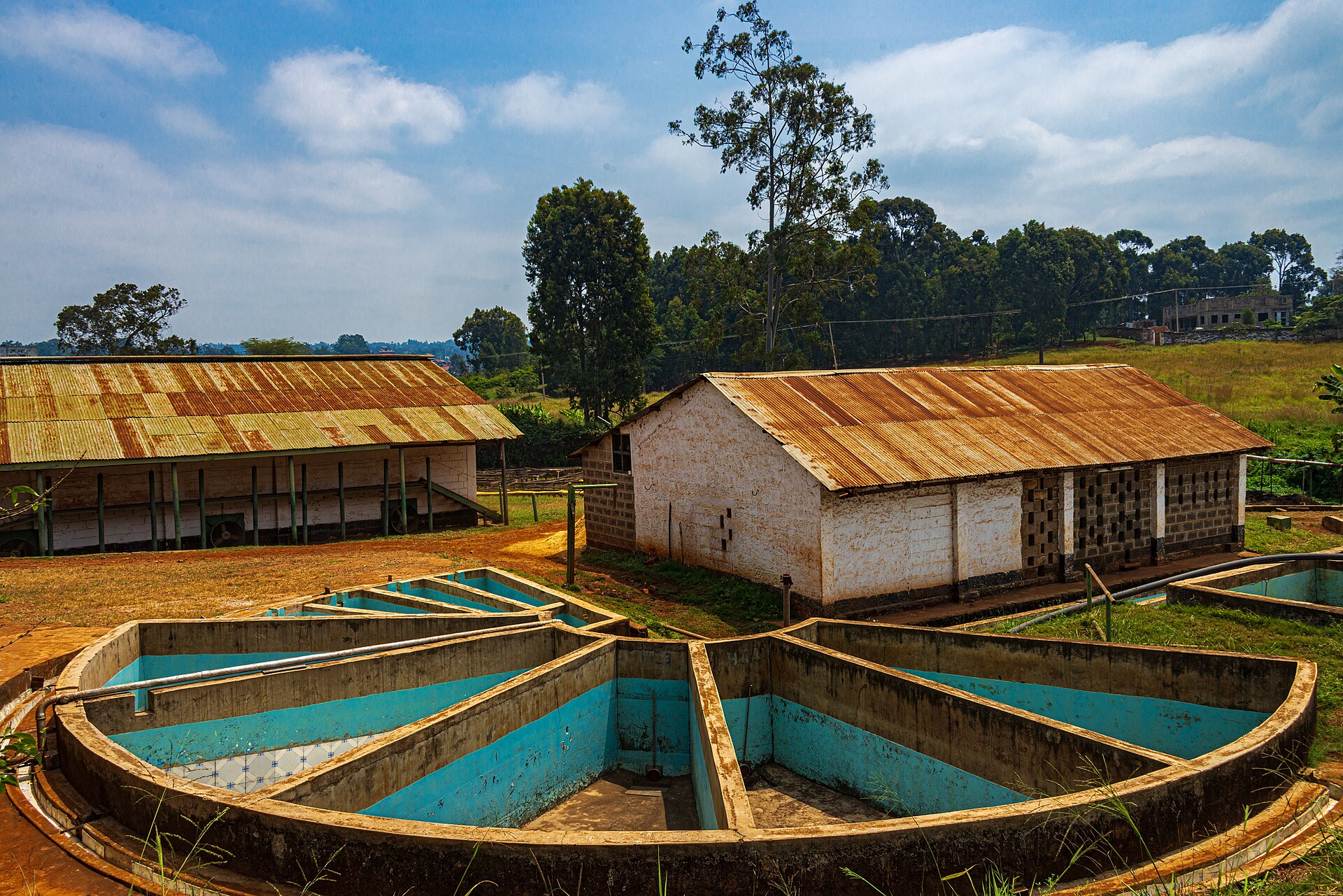
Coffee washing pits at a Kenyan estate, where mucilage is rinsed from parchment

Daniel Case / Wikimedia Commons · CC BY-SA 4.0

Washed

Washed

Skin and fruit come off soon after picking. The seed dries in parchment, so the cup stays clean and bright.

Clarity, citrus or floral sparkle, a lighter body than naturals from the same farm.

Ripe cherry is pulped within hours, then fermented in tanks or channels until the sticky mucilage lets go - often 12–36 hours, longer in cool highlands. Kenya adds a second clean-water soak after the wash. Parchment then dries on raised beds or patios to about 10–12% moisture. World Barista Championship routines treat this as the process that lets variety and altitude speak without jammy fruit from the skin.
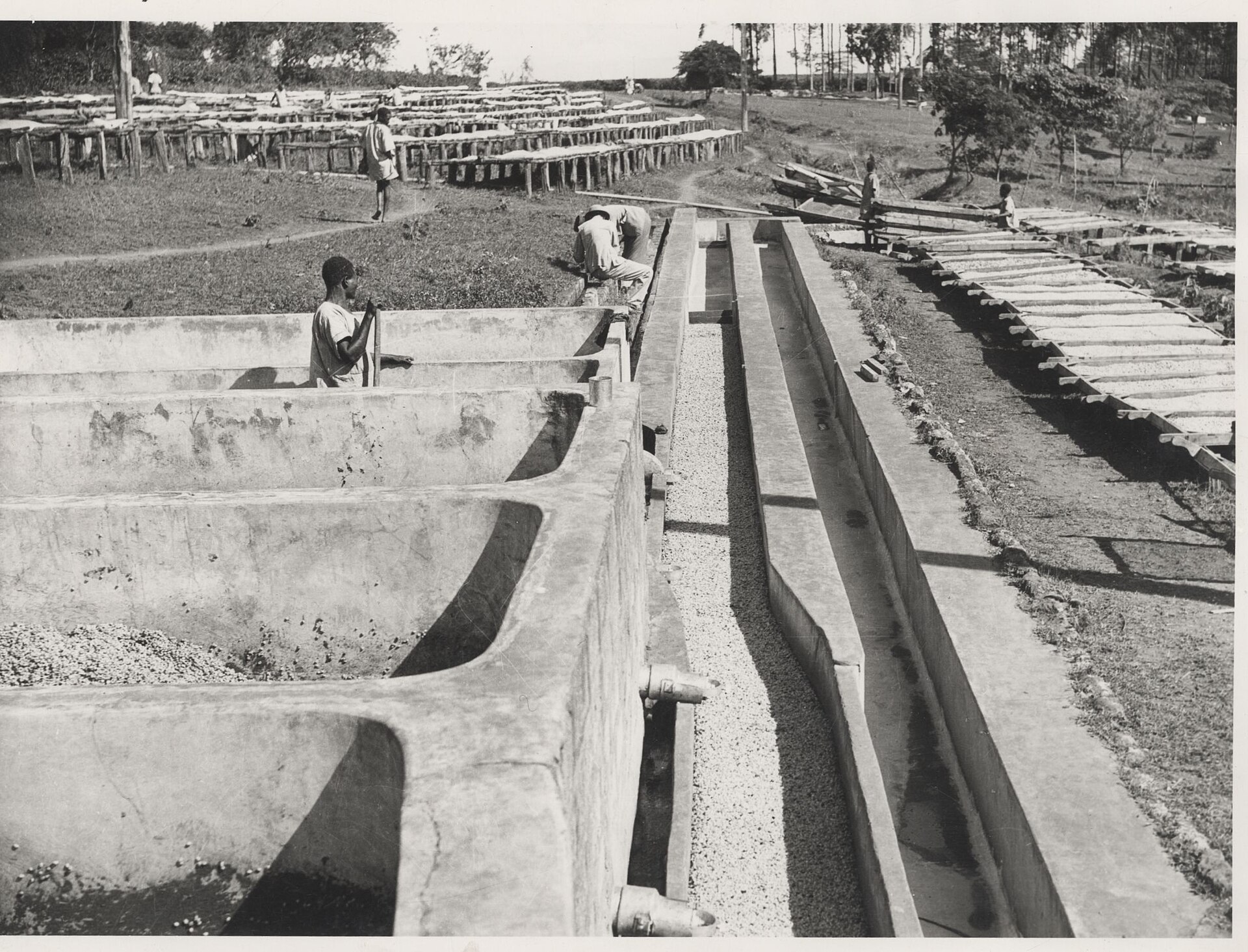
Fermentation tanks at a coffee mill, where cherries or parchment rest without oxygen

Touring Club Italiano / Wikimedia Commons · Public domain

Anaerobic

Anaerobic

Cherry or parchment ferments in sealed tanks with little oxygen. Flavors can turn tropical, spiced, or yogurt-like.

Intensified fruit, sometimes cinnamon or lactic tang; longer finish than a standard wash.

Producers load cherry or depulped parchment into sealed drums, often for 48–160 hours, then dry as a natural or washed lot. Jack Simpson’s 2025 World Barista Championship milk coffee used a Huila Papayo with a 60-hour oxidation and 160-hour anaerobic ferment. The tank is a tool, not a flavor: without ripe cherry and a clean mill, the same process tastes like overripe fruit.

The story

Colombia’s Federación Nacional de Cafeteros built a washed standard that made “Colombian coffee” a shopper shortcut for clean caramel. The story championship baristas tell is more specific: a named producer, a slope in Huila or Nariño, a ferment time. You do not need a competition lot to taste the country. A washed Huila at a light-medium roast is the everyday version of that balance - panela sweetness with enough fruit to stay interesting in a pour-over.

Brew

Filter or espresso

Pour-over or AeroPress at a medium grind keeps caramel and apple distinct. Espresso works if the roast is not charcoal-dark.

How to shop for it

Look for Colombia, washed, caramel or mild fruit. Region names: Huila, Nariño, Cauca.

On the supermarket shelf

Colombia, washed, caramel or mild fruit. Huila, Nariño, or Cauca on the bag is more useful than a generic country blend.

How to read a bag →

Stomach comfort

Gentler sparkle - a rounder cup for many stomachs.

Sparkle is not the same as stomach feel →

Species

arabica

Altitude

Highland lots taste brighter - often 1,400–2,100m

Altitude

The Eje Cafetero sits around 1,200–1,800m; Huila and Cauca commonly 1,500–2,000m; Nariño lots can exceed 2,000m on steep Andean slopes. Higher, cooler nights slow sugar development and lift red-apple acidity above the caramel base.

Varieties

Caturra, Castillo, Colombia; Pink Bourbon or Gesha on microlots

Varieties

Castillo and Colombia were bred for rust resistance and are the volume cultivars. Caturra and Typica remain on older farms. Specialty menus now highlight Pink Bourbon, Papayo, and Gesha - different fruit intensity, same washed backbone unless the bag says otherwise.

Harvest

Staggered by region: often a main harvest and a mitaca (fly crop). Huila frequently peaks around September–December.

Harvest calendar

  1. J
  2. F
  3. M
  4. A
  5. M
  6. J
  7. J
  8. A
  9. S
  10. O
  11. N
  12. D

One harvest window. We cannot call a bag fresh without a roast date.

Compare with Another Origin