
Coffee is Sweet
Menu
Origin Profile

Costa Rica

Costa Rica in the cup

A short read

Taste it on the page first: notes, landscape, process, then how to spot the bag.

For people who already brew

Terroir, farmers, altitude, and a brew that fits this origin - plus how the process shapes the cup.

The origin guide

Producer story, harvest, variety, and process detail. Empty still means we will not guess a farm we cannot name.

What it is like

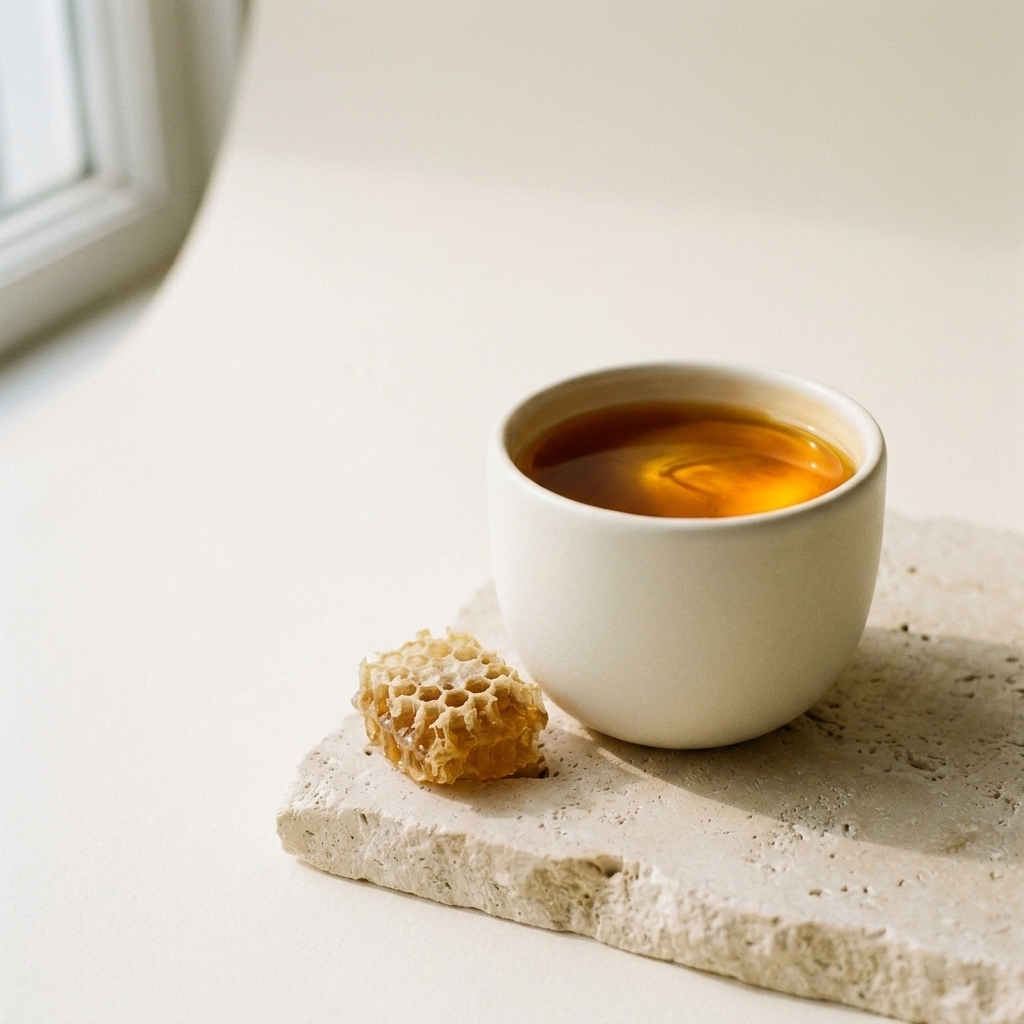
A bright, clean cup with honeyed sweetness, cocoa, and citrus. A gentle filter bag if you want sparkle without a wild fruit bomb.

Eight growing regions; Tarrazú (Los Santos) south of San José is the famous high-grown belt

What to say at the cafe

A Costa Rica - Tarrazú if you have it - washed or honey, light-medium roast, black or with a splash of milk.

Milk and serve

  • Black
  • Dairy

In the cup

  • honey
  • cocoa
  • citrus
  • clean brightness
  • brown sugar

Medium, clean, and juicy - honeyed sweetness first, then citrus sparkle.

Sensory shape

sweetnesssparklebodyroastlayers
Relative to this catalog, not SCA scores.

Natural sweetness

Origin landscape

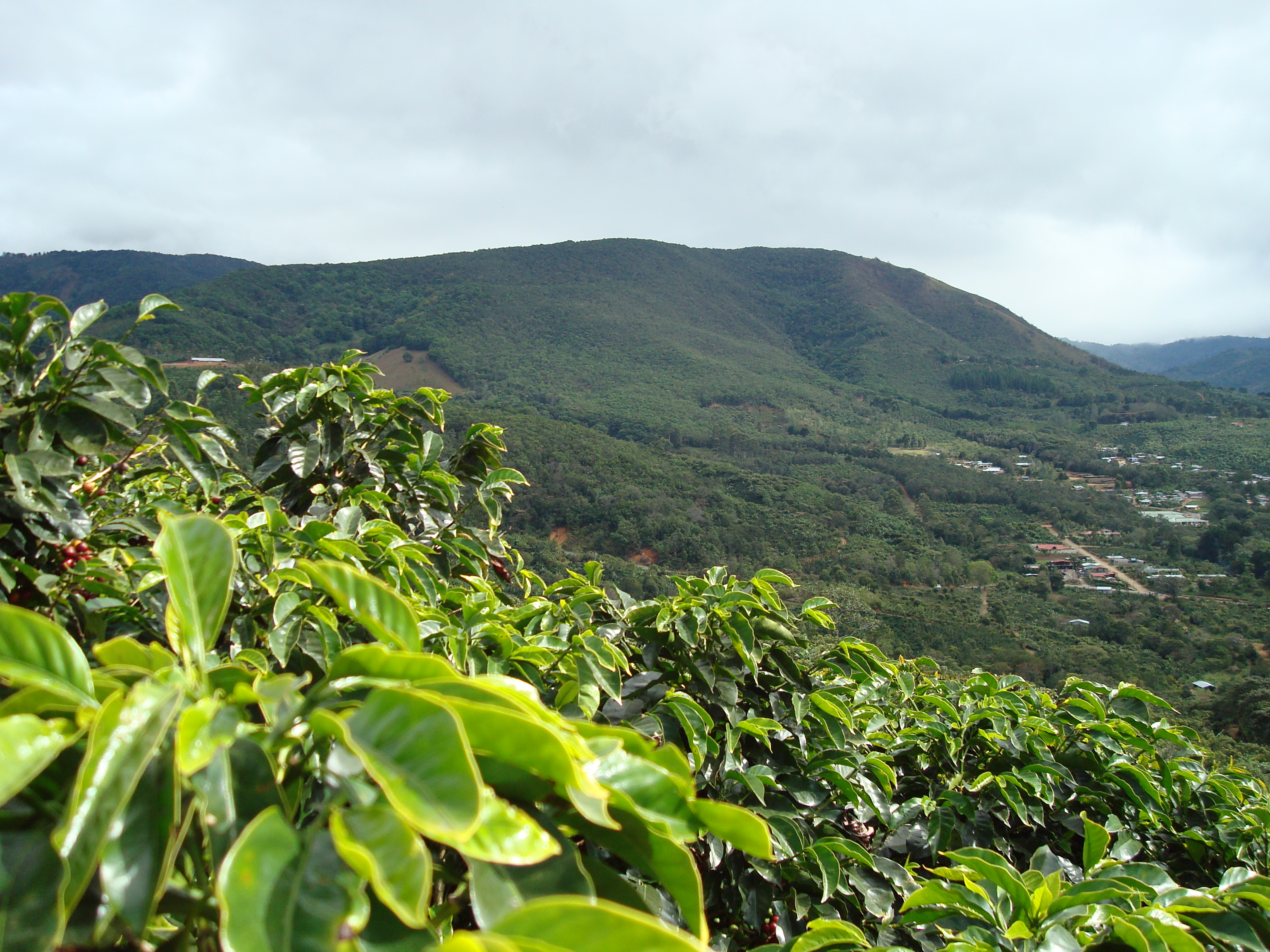
Coffee farms in San Marcos de Tarrazú, Costa Rica’s celebrated highland belt

Coffee farms in San Marcos de Tarrazú, Costa Rica’s celebrated highland belt

Tarrazu / Wikimedia Commons · Public domain

Eight regions, one famous belt. Tarrazú sits south of San José in the Los Santos hills, high enough that nights stay cool and the seed grows dense. Lower farms start harvest earlier; the high lots wait. That calendar, not a roast trick, is why SHB bags taste brighter than a dark espresso blend labeled Costa Rica.

Farmers and harvest

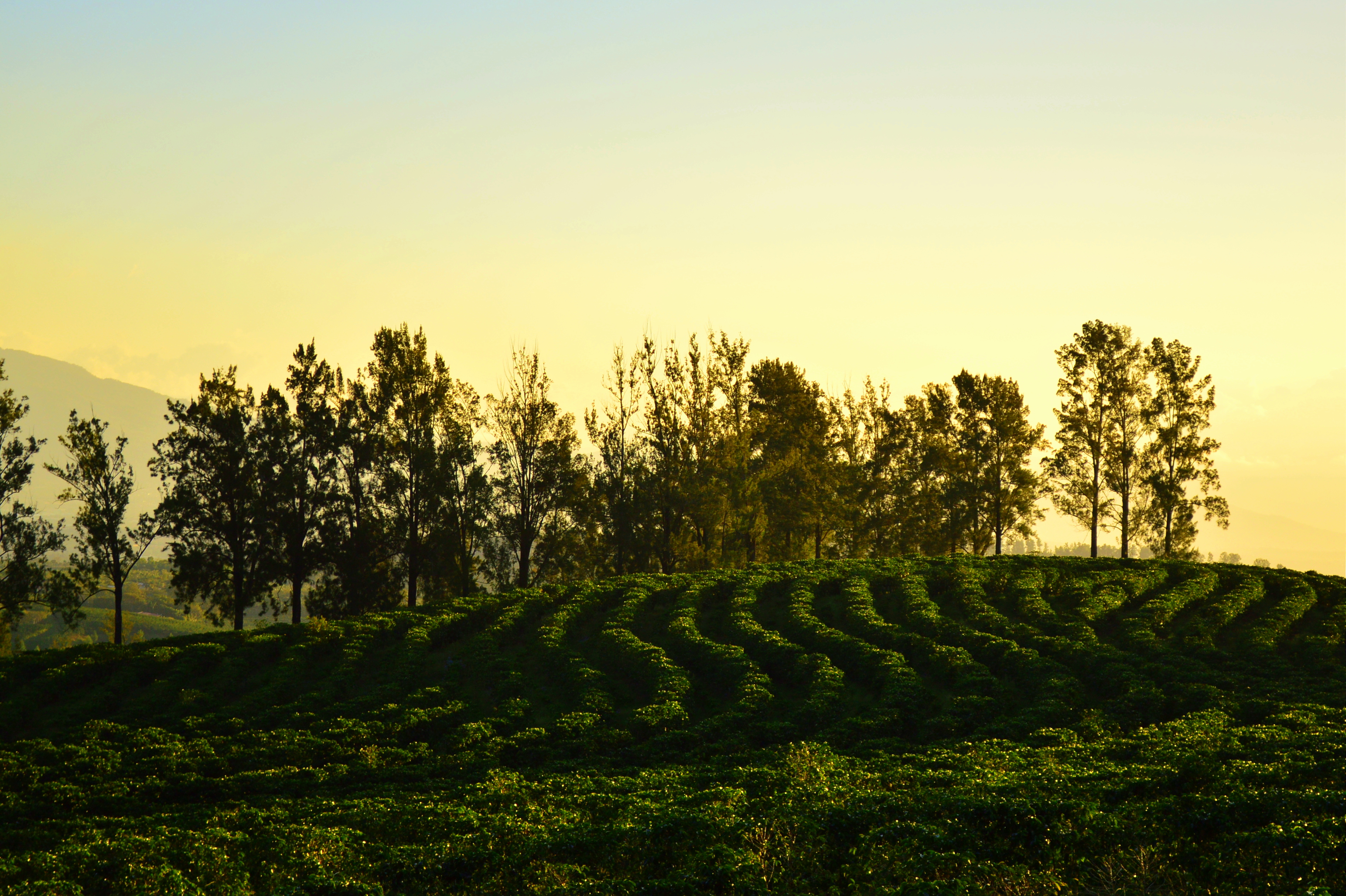
Coffee trees on a plantation in Santa Bárbara de Heredia, Costa Rica

Coffee trees on a plantation in Santa Bárbara de Heredia, Costa Rica

Victor Quirós A / Wikimedia Commons · CC BY-SA 3.0

Who grows it

Cooperatives and micro-mills, especially in Tarrazú.

Who grows it

Cherry moves through cooperatives and small micro-mills rather than one giant estate name. Specialty bags often credit a mill or a co-op in Tarrazú. Look for a mill plus washed or honey - that is more useful than a generic Costa Rican blend.

Process

Washed and honey are both common here.

Process in detail

Costa Rica made honey process a shopper word: ripe cherry is pulped, then dried with some or all of the sticky mucilage still on the seed. Washed lots go further - ferment and rinse so the cup stays clean and citrus-bright. Both sit on the same highland farms. The honeyed-cocoa cup is process plus altitude, not a flavored bag.

How the process shapes the cup

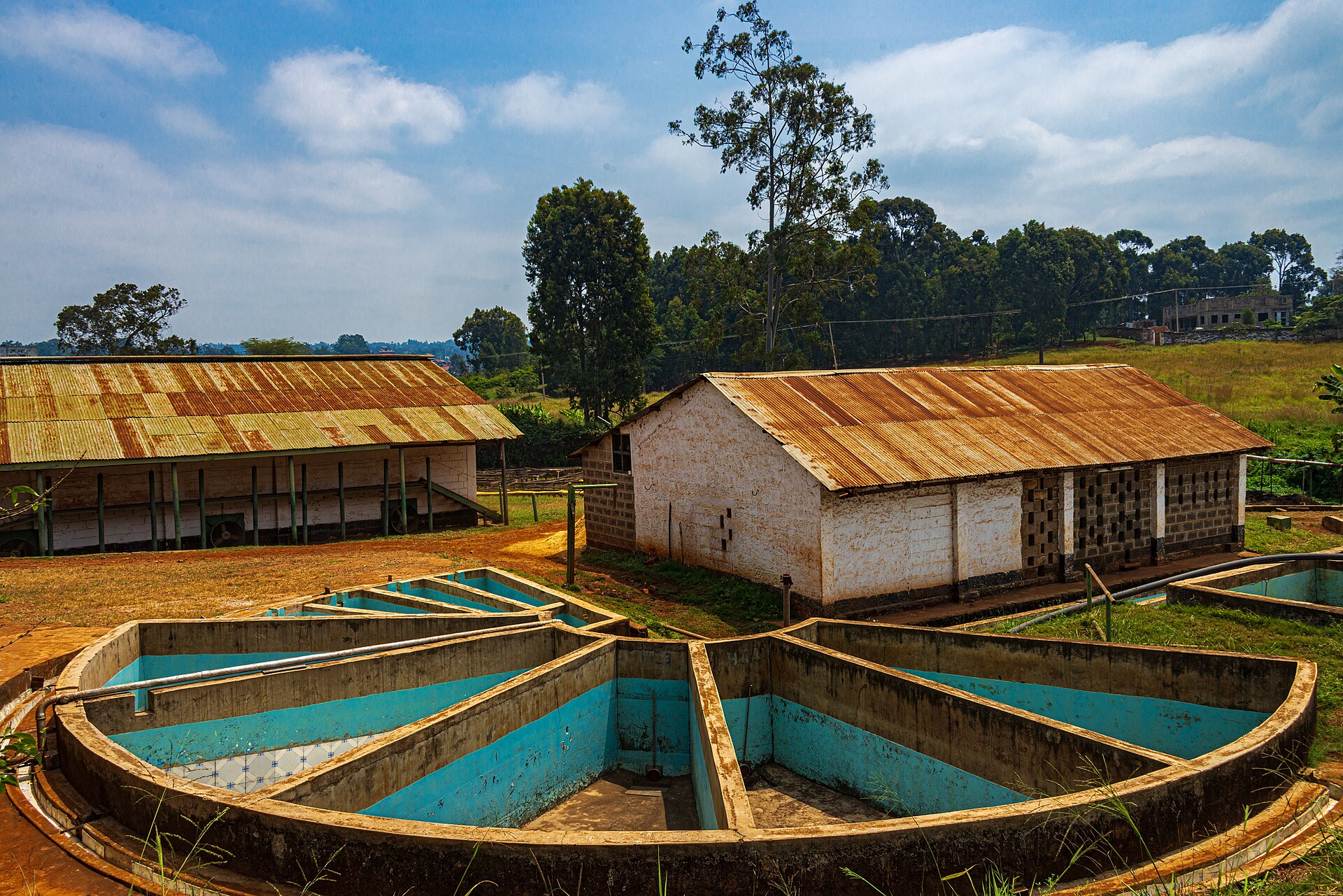
Coffee washing pits at a Kenyan estate, where mucilage is rinsed from parchment

Daniel Case / Wikimedia Commons · CC BY-SA 4.0

Washed

Washed

Skin and fruit come off soon after picking. The seed dries in parchment, so the cup stays clean and bright.

Clarity, citrus or floral sparkle, a lighter body than naturals from the same farm.

Ripe cherry is pulped within hours, then fermented in tanks or channels until the sticky mucilage lets go - often 12–36 hours, longer in cool highlands. Kenya adds a second clean-water soak after the wash. Parchment then dries on raised beds or patios to about 10–12% moisture. World Barista Championship routines treat this as the process that lets variety and altitude speak without jammy fruit from the skin.
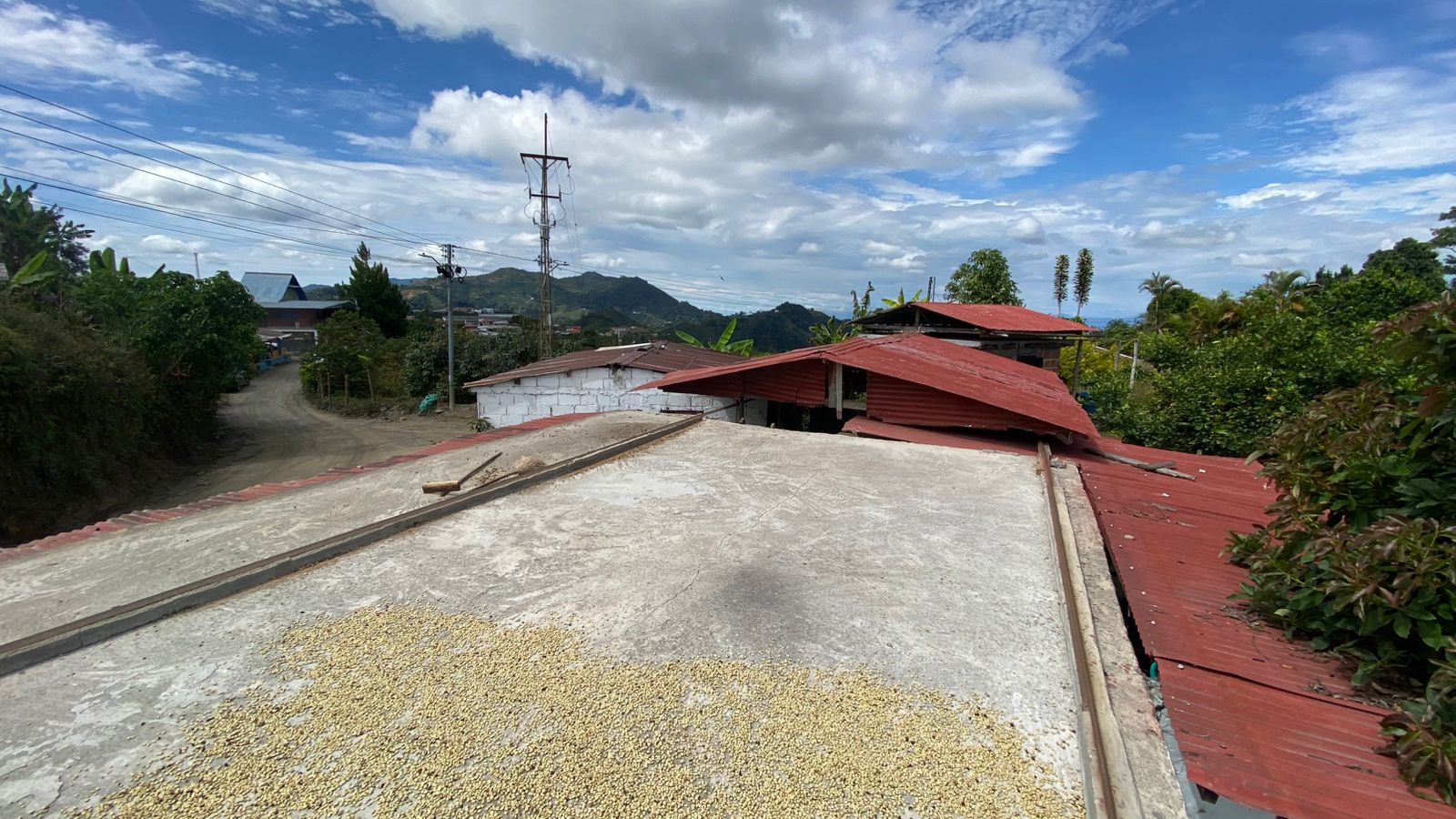
Raised drying beds (helda) used for coffee parchment in Colombia

JPDAFT / Wikimedia Commons · CC0

Honey

Honey

Skin comes off, but sticky mucilage stays on while the seed dries. Sweetness without full natural funk.

Syrupy body, brown-sugar or stone-fruit sweetness, more clarity than a natural.

After pulping, producers leave yellow, red, or black honey - names for how much mucilage remains and how long it dries in shade or sun. Costa Rica and El Salvador made the method famous; Ecuador and Colombia use it on Sidra, Pink Bourbon, and Pacamara lots. Less water than a full wash, more control than a natural. The cup sits between washed sparkle and natural jam.

The story

Costa Rica split its coffee map into eight regions so a bag can say more than a country name. Tarrazú, in the Los Santos hills south of San José, is the one specialty shops reach for: high, cool, and built around cooperatives and family micro-mills. Honey process became a Costa Rican signature because farms could dry mucilage in this climate and still keep the cup clean. You do not need a contest Gesha. A washed or honey Tarrazú at a light-medium roast is the everyday lesson - honeyed sweetness, cocoa, and citrus, not a dark roast.

Brew

Filter

Pour-over or AeroPress at a medium grind. Keep the roast light-medium so honey and citrus stay distinct. A splash of milk still works; a heavy latte will bury the sparkle.

How to shop for it

Look for Costa Rica, Tarrazú or SHB, honey or washed, honeyed citrus.

On the supermarket shelf

Costa Rica, Tarrazú or SHB, honey or washed, honeyed citrus. SHB means the beans grew at 1,200m or higher.

How to read a bag →

Stomach comfort

Bright sparkle. Perceived acidity is not the same as how your stomach feels.

Sparkle is not the same as stomach feel →

Species

arabica

Altitude

Highland - Tarrazú often 1,200–1,900m

Altitude

Tarrazú sits about 1,200–1,900m south of San José. The finest lots often land 1,200–1,700m. SHB (Strictly Hard Bean) is the density grade for coffee grown at 1,200m and above - denser seed, brighter cup, not a farm name.

Varieties

Caturra, Catuai; Gesha on some Tarrazú lots since 2012

Varieties

Caturra and Catuai are the everyday trees. Gesha was planted in Tarrazú from 2012; it is a named microlot when it appears, not the default supermarket Costa Rica. The honeyed-cocoa cup comes from altitude and process more than from a rare cultivar.

Harvest

Main harvest roughly November–February, later at the highest farms.

Harvest calendar

  1. J
  2. F
  3. M
  4. A
  5. M
  6. J
  7. J
  8. A
  9. S
  10. O
  11. N
  12. D

Northern harvest window. We cannot call a bag fresh without a roast date.

Compare with Another Origin