
Coffee is Sweet
Menu
Origin Profile

El Salvador

El Salvador in the cup

A short read

Taste it on the page first: notes, landscape, process, then how to spot the bag.

For people who already brew

Terroir, farmers, altitude, and a brew that fits this origin - plus how the process shapes the cup.

The origin guide

Producer story, harvest, variety, and process detail. Empty still means we will not guess a farm we cannot name.

What it is like

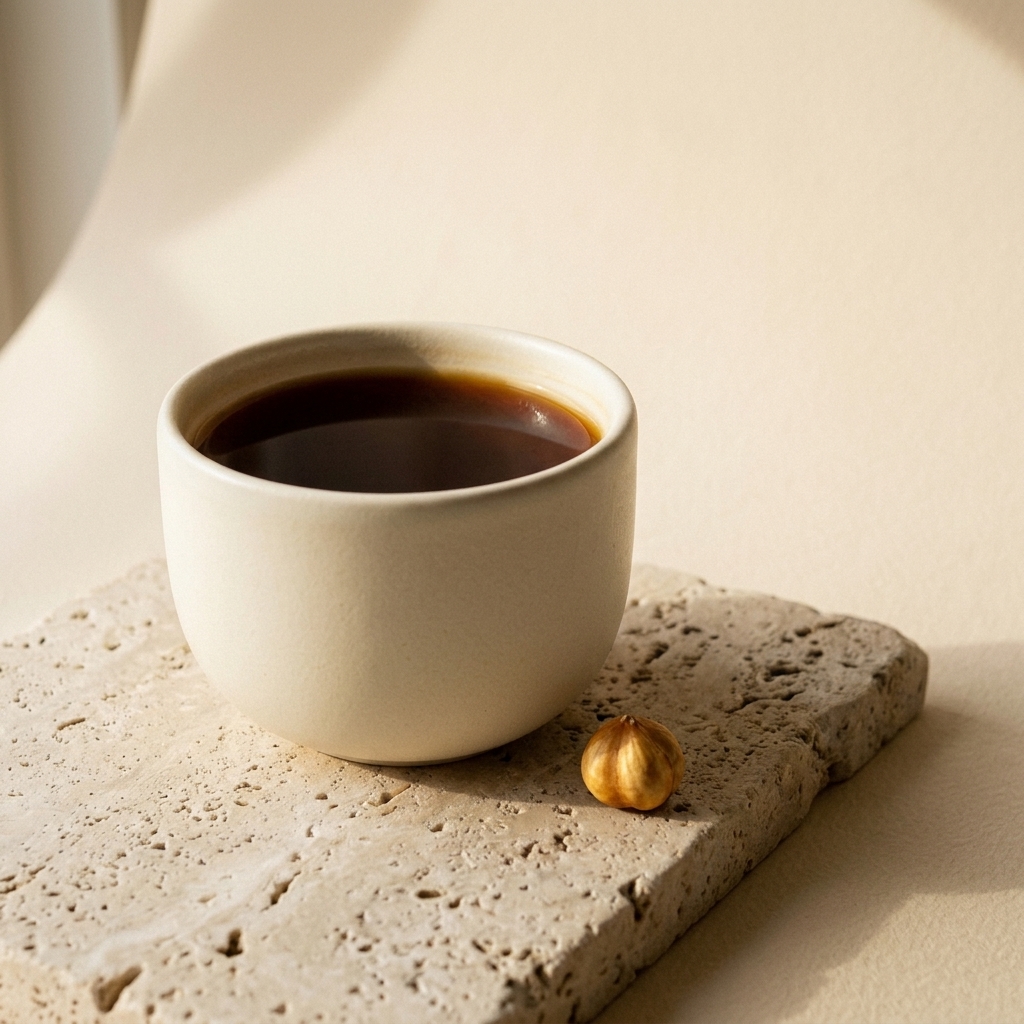
Friendly and chocolate-forward with nuts and soft acidity. Easy to drink if you want sweetness without a lot of sparkle.

Pacific-facing specialty regions, especially Apaneca-Ilamatepec

What to say at the cafe

An El Salvador, medium roast - chocolate, in a latte or black. Pacamara if you have it.

Milk and serve

  • Black
  • Dairy
  • Oat

In the cup

  • milk chocolate
  • praline
  • dried fig
  • cocoa spice
  • soft stone fruit

Plush and medium-heavy; honey lots feel syrupy without Kenyan sparkle.

Sensory shape

sweetnesssparklebodyroastlayers
Relative to this catalog, not SCA scores.

Natural sweetness

Origin landscape

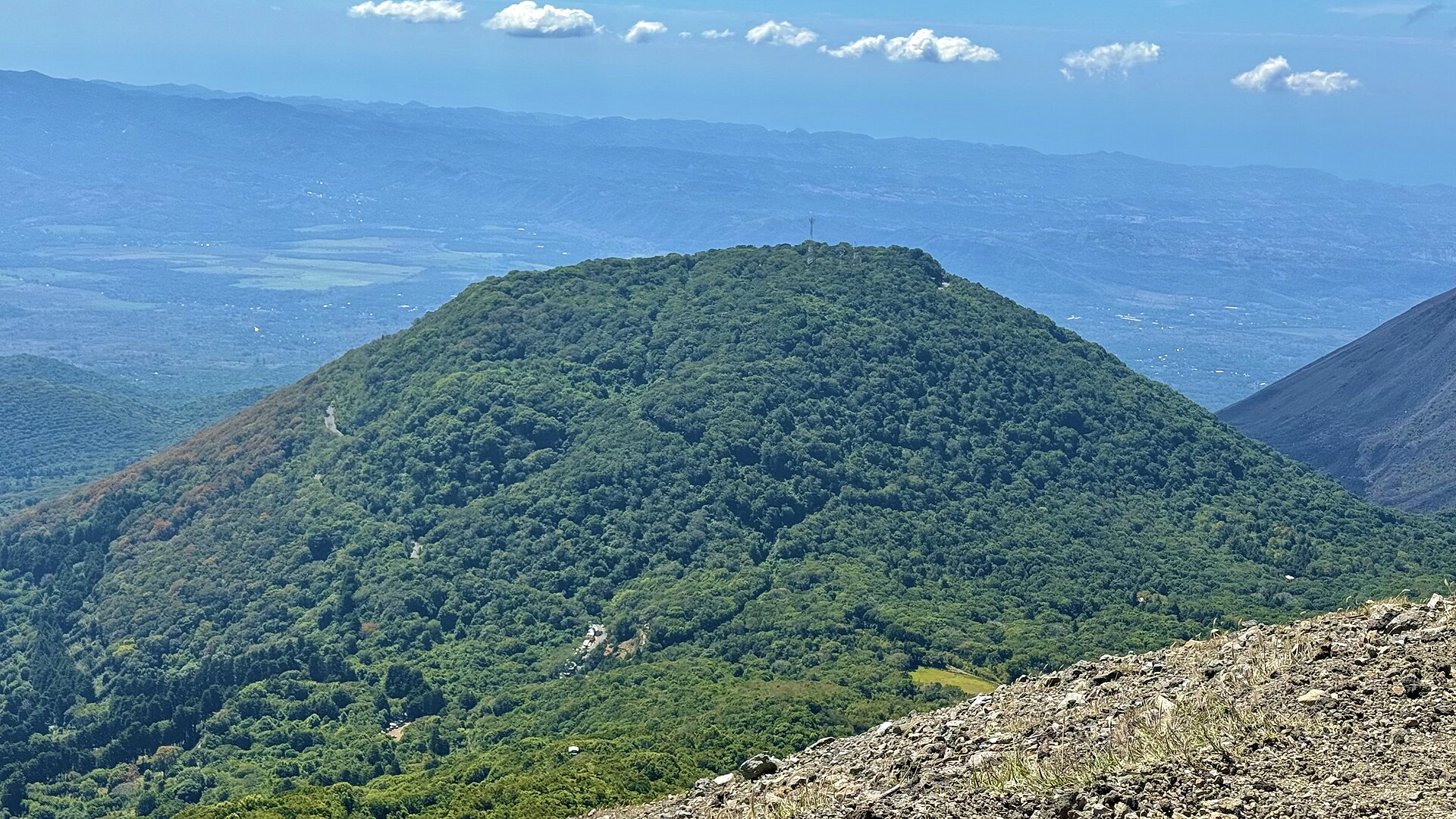
Cerro Verde seen from Santa Ana volcano - the Apaneca-Ilamatepec coffee belt

Cerro Verde seen from Santa Ana volcano - the Apaneca-Ilamatepec coffee belt

Wikimedia Commons · CC BY-SA 4.0

Pacific volcanoes, a defined dry harvest, and volcanic soils that read as chocolate-spice rather than berry. Lower average altitude than the northern Andes keeps the cup friendly. Cerro Verde and Izalco are the landscape you are tasting.

Farmers and harvest

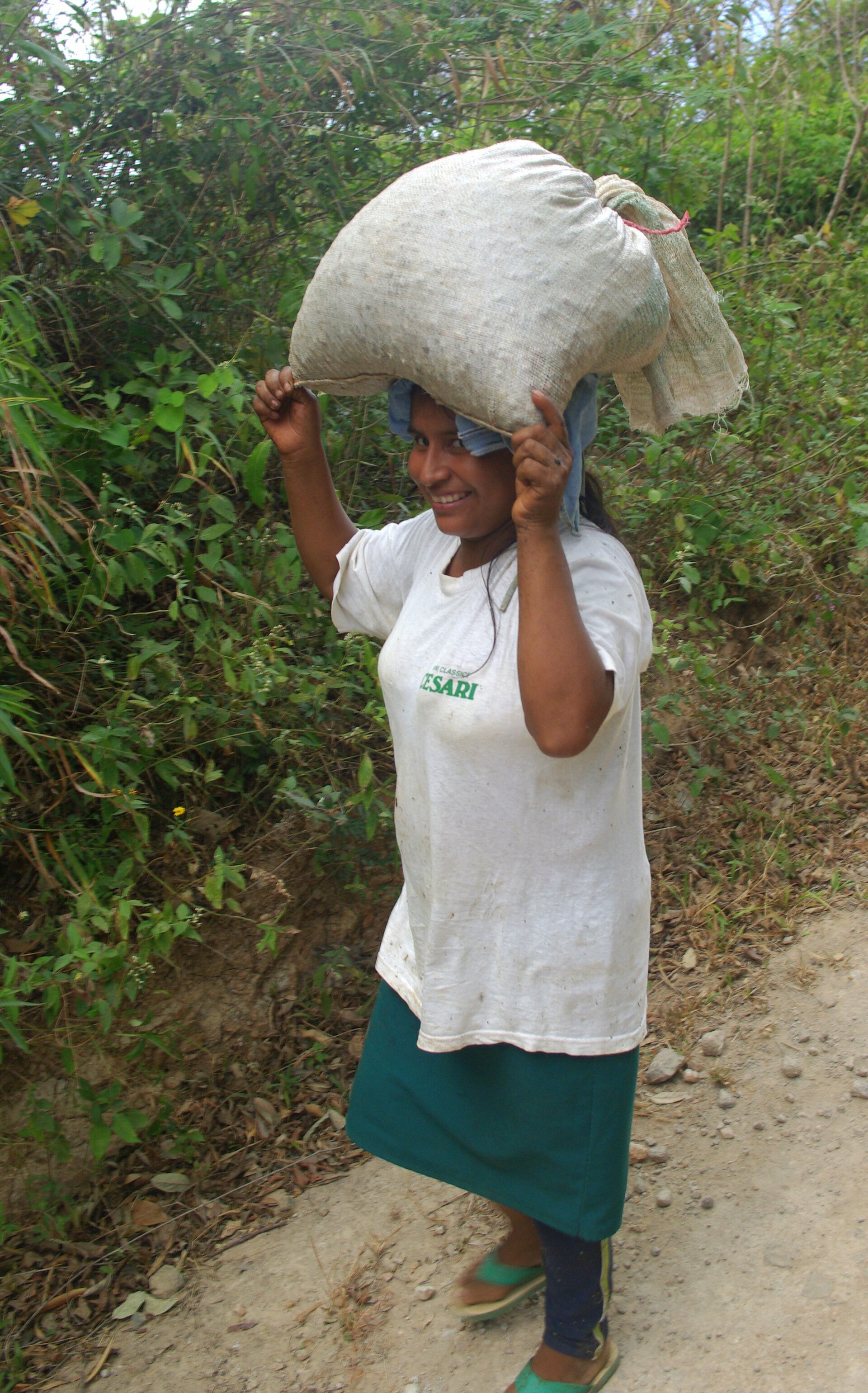
A coffee grower in El Salvador carrying harvested cherry

A coffee grower in El Salvador carrying harvested cherry

Wikimedia Commons · CC BY 2.0

Who grows it

Family fincas on the Santa Ana and Apaneca volcanic chain.

Who grows it

Specialty Salvadoran coffee is still largely estate-scale families with their own mill - not Kenya-style factories. Bags may name a finca on the Ilamatepec (Santa Ana) volcano or in Ahuachapán. Honey color (yellow / red / black) is the producer’s process signature.

Process

Washed, honey, or natural - read the bag.

Process in detail

El Salvador helped popularize honey processing in Central America: pulp the cherry, dry with mucilage on raised beds or patios. Washed lots stay mild chocolate-nut. Naturals go heavier and fruitier. Pacamara lots often get honey because the variety already has a syrupy body.

How the process shapes the cup

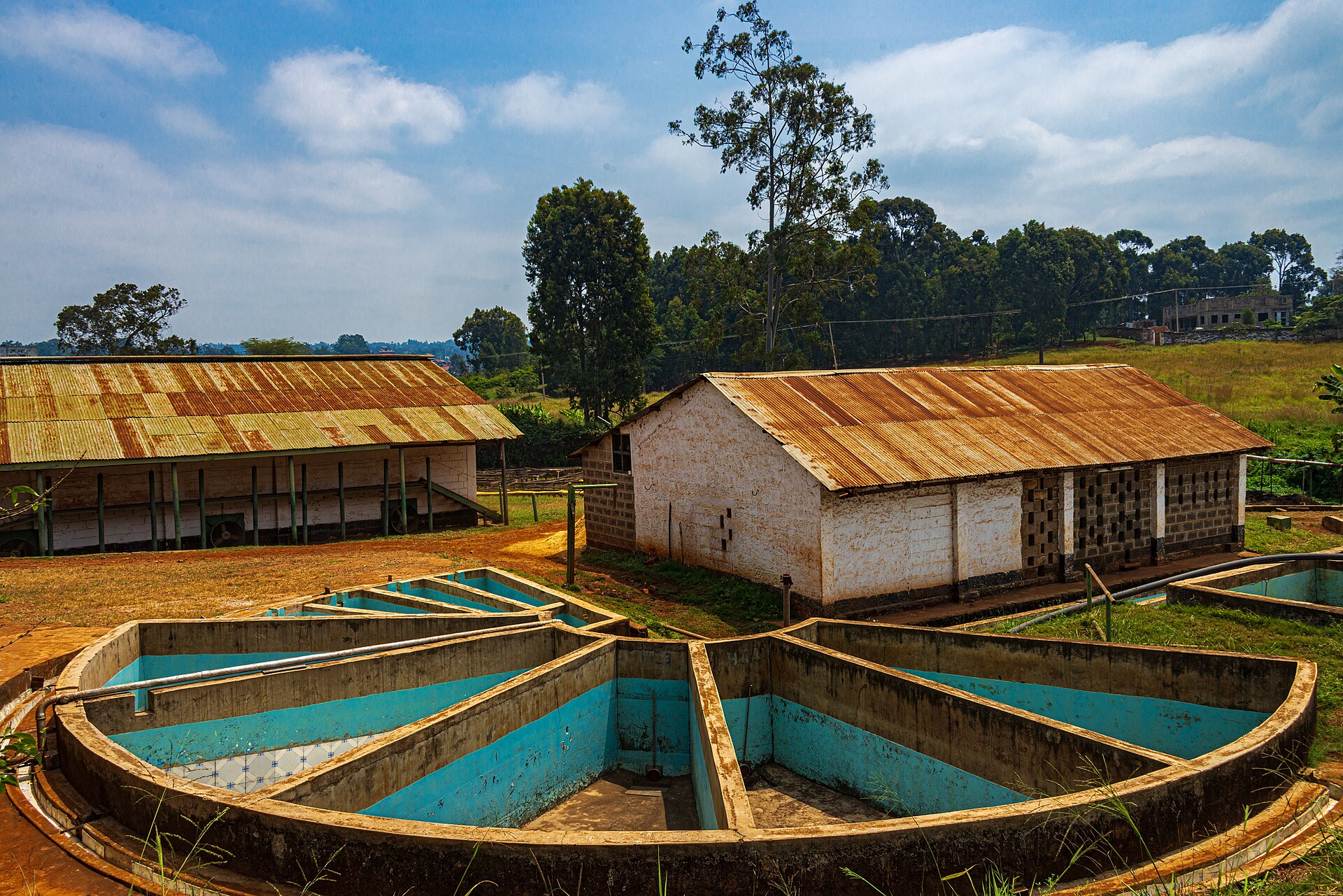
Coffee washing pits at a Kenyan estate, where mucilage is rinsed from parchment

Daniel Case / Wikimedia Commons · CC BY-SA 4.0

Washed

Washed

Skin and fruit come off soon after picking. The seed dries in parchment, so the cup stays clean and bright.

Clarity, citrus or floral sparkle, a lighter body than naturals from the same farm.

Ripe cherry is pulped within hours, then fermented in tanks or channels until the sticky mucilage lets go - often 12–36 hours, longer in cool highlands. Kenya adds a second clean-water soak after the wash. Parchment then dries on raised beds or patios to about 10–12% moisture. World Barista Championship routines treat this as the process that lets variety and altitude speak without jammy fruit from the skin.
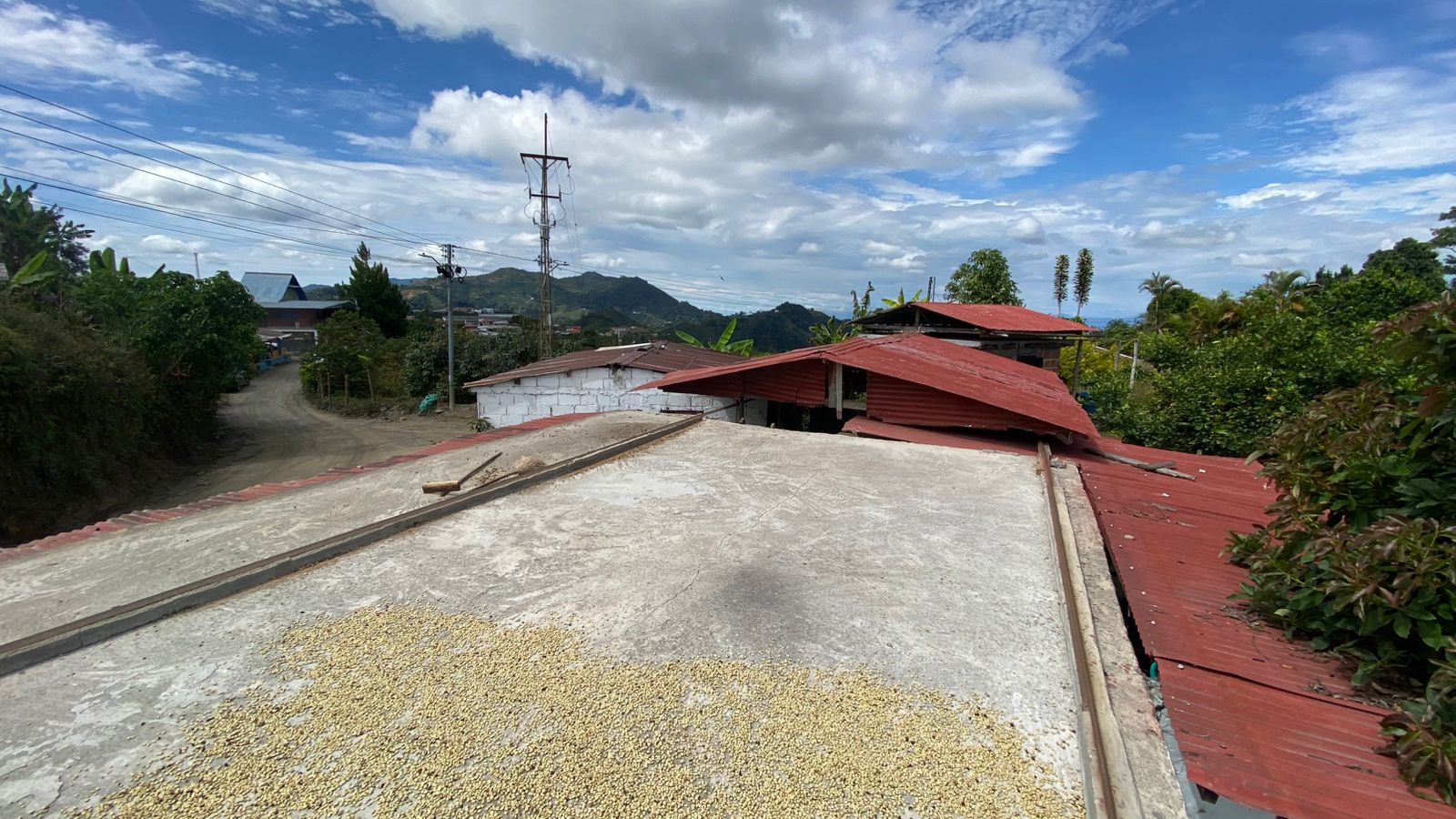
Raised drying beds (helda) used for coffee parchment in Colombia

JPDAFT / Wikimedia Commons · CC0

Honey

Honey

Skin comes off, but sticky mucilage stays on while the seed dries. Sweetness without full natural funk.

Syrupy body, brown-sugar or stone-fruit sweetness, more clarity than a natural.

After pulping, producers leave yellow, red, or black honey - names for how much mucilage remains and how long it dries in shade or sun. Costa Rica and El Salvador made the method famous; Ecuador and Colombia use it on Sidra, Pink Bourbon, and Pacamara lots. Less water than a full wash, more control than a natural. The cup sits between washed sparkle and natural jam.

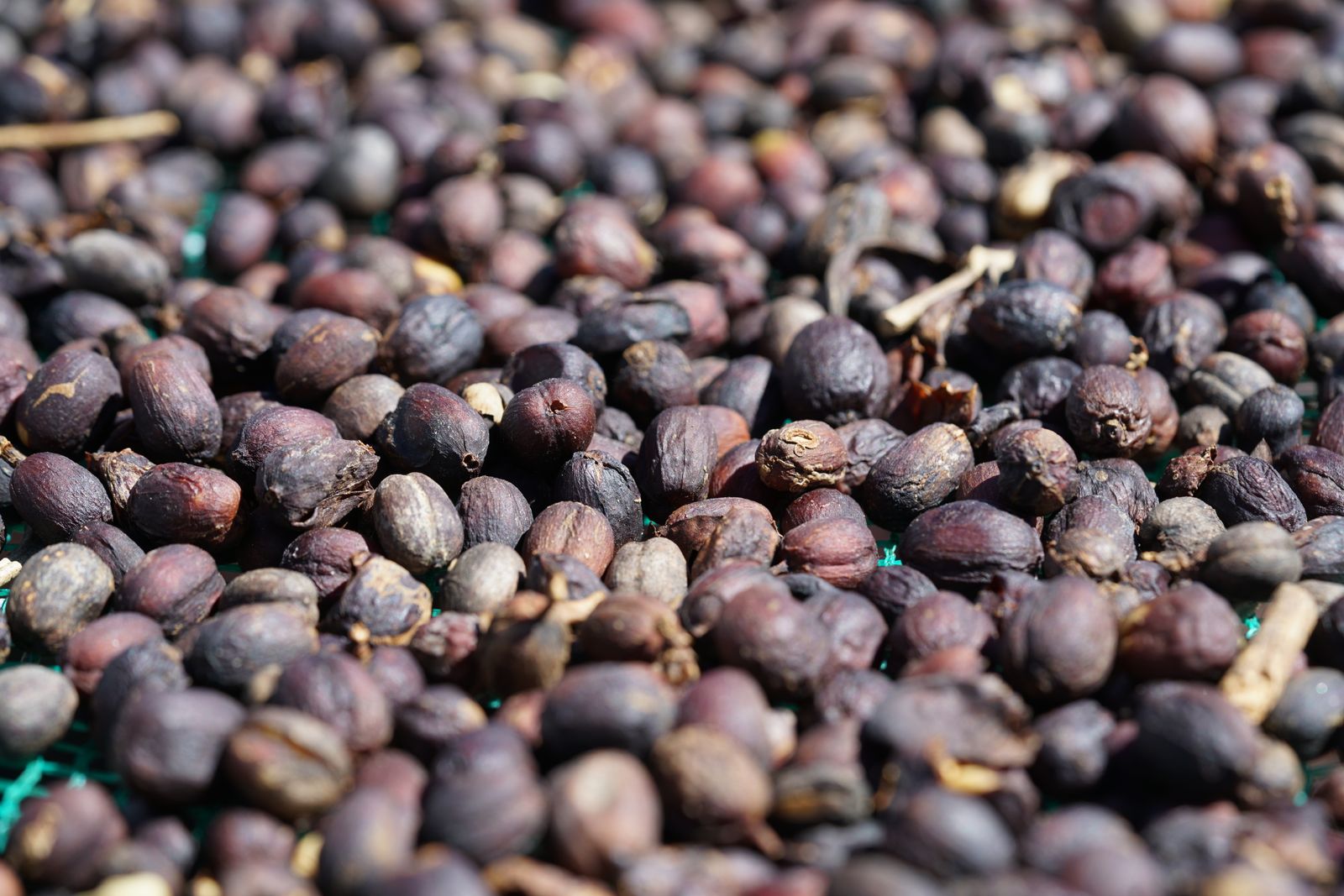
Whole coffee cherries drying on raised racks in the sun

1500m Coffee / Pexels · Pexels License

Natural

Natural

The whole cherry dries in the sun. Fruit sugars stay with the seed, so the cup is heavier and more jammy.

Berry, tropical fruit, wine-like sweetness, and a creamier body.

Sorted ripe cherries are spread on raised beds or patios and turned for two to four weeks until the fruit is raisin-dry. Airflow under African beds matters: stuck cherry ferments unevenly and tastes boozy. Brazil’s Cerrado uses patio and mechanical dryers at lower altitude; Ethiopian Guji and Hambela lots dry slower in cool highlands, which is why blueberry and strawberry show up so often on those bags.

The story

After civil war and leaf rust, Salvadoran producers bet on quality and on process: honey and Pacamara as a national signature. The volcanoes are not a backdrop; they are the farm. A washed Bourbon from Apaneca is the gentle cup. A honey Pacamara is the one that keeps a curious drinker at the table.

Brew

Filter or espresso

Espresso and milk drinks love the chocolate. Washed lots also make an easy morning pour-over.

How to shop for it

Look for El Salvador, chocolate, mild, honey or washed. Pacamara if you want extra weight.

On the supermarket shelf

El Salvador, chocolate, mild, honey or washed. Pacamara if you want extra weight.

How to read a bag →

Stomach comfort

Gentler sparkle - a rounder cup for many stomachs.

Sparkle is not the same as stomach feel →

Species

arabica

Altitude

Volcano slopes - often 900–1,500m

Altitude

The Apaneca-Ilamatepec range (Santa Ana, Cerro Verde, Izalco) holds much of the country’s specialty coffee between about 900 and 1,500m. That is lower than Huehuetenango or Yirgacheffe, which is why acidity stays soft and chocolate leads.

Varieties

Bourbon, Pacas, Pacamara (when labeled)

Varieties

Pacas is a Bourbon mutation found in El Salvador. Pacamara (Pacas × Maragogipe) is the country’s calling-card variety: large beans, chocolate, spice, and floral top notes when processed with care. Bourbon still fills many farms on the Santa Ana volcano.

Harvest

Main harvest roughly November–March, in the dry season.

Harvest calendar

  1. J
  2. F
  3. M
  4. A
  5. M
  6. J
  7. J
  8. A
  9. S
  10. O
  11. N
  12. D

Northern harvest window. We cannot call a bag fresh without a roast date.

Compare with Another Origin