
Coffee is Sweet
Menu
Origin Profile

Ethiopia (Yirgacheffe, washed)

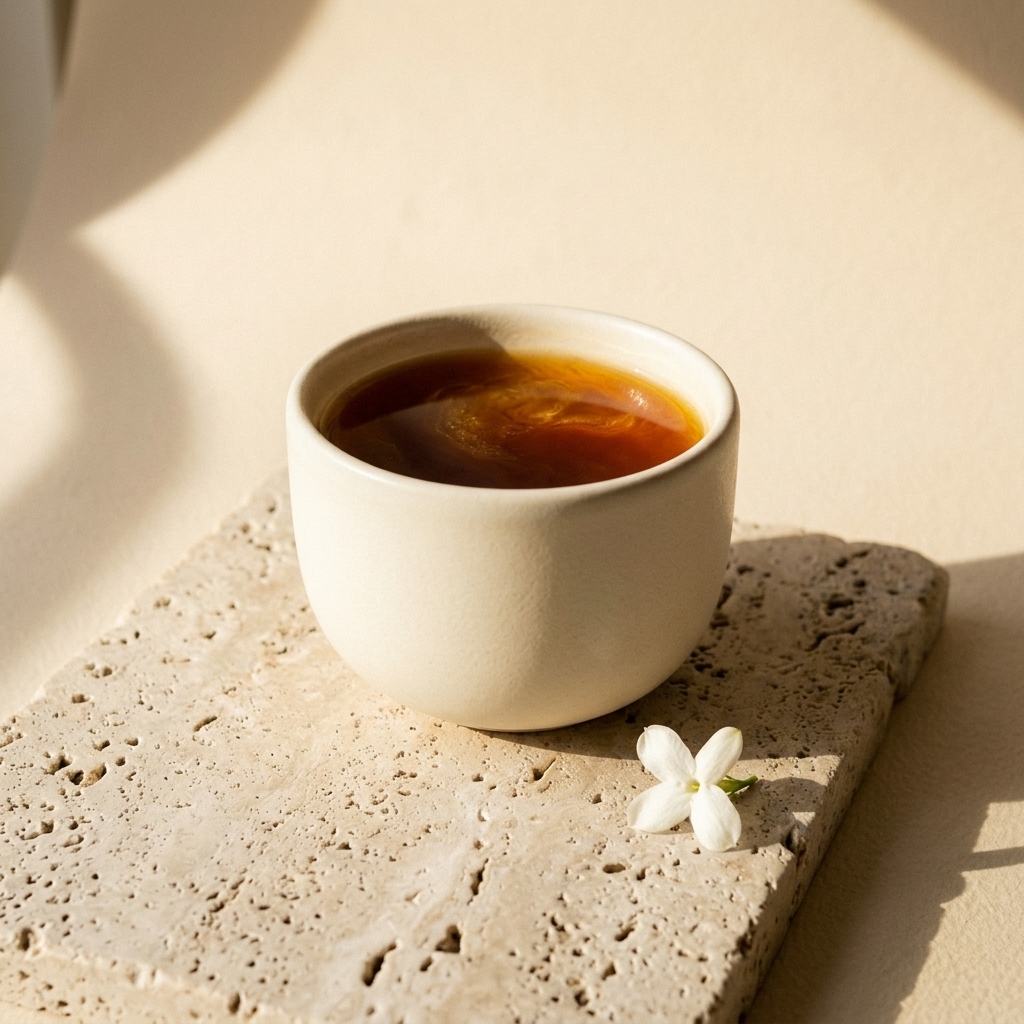
Ethiopia (Yirgacheffe, washed) in the cup

A short read

Taste it on the page first: notes, landscape, process, then how to spot the bag.

For people who already brew

Terroir, farmers, altitude, and a brew that fits this origin - plus how the process shapes the cup.

The origin guide

Producer story, harvest, variety, and process detail. Empty still means we will not guess a farm we cannot name.

What it is like

A tea-like, floral cup: jasmine, bergamot, and a light body. Choose this if you want coffee that feels closer to a fragrant tea than to a dark roast.

Yirgacheffe (Gedeo) and similar washed southern lots such as Kochere

What to say at the cafe

A washed Yirgacheffe, light roast, black - jasmine or bergamot, no milk.

Milk and serve

  • Black

In the cup

  • jasmine
  • bergamot
  • lemon tea
  • peach blossom
  • honeyed finish

Light, tea-like, and silky - almost no roast weight.

Sensory shape

sweetnesssparklebodyroastlayers
Relative to this catalog, not SCA scores.

Natural sweetness

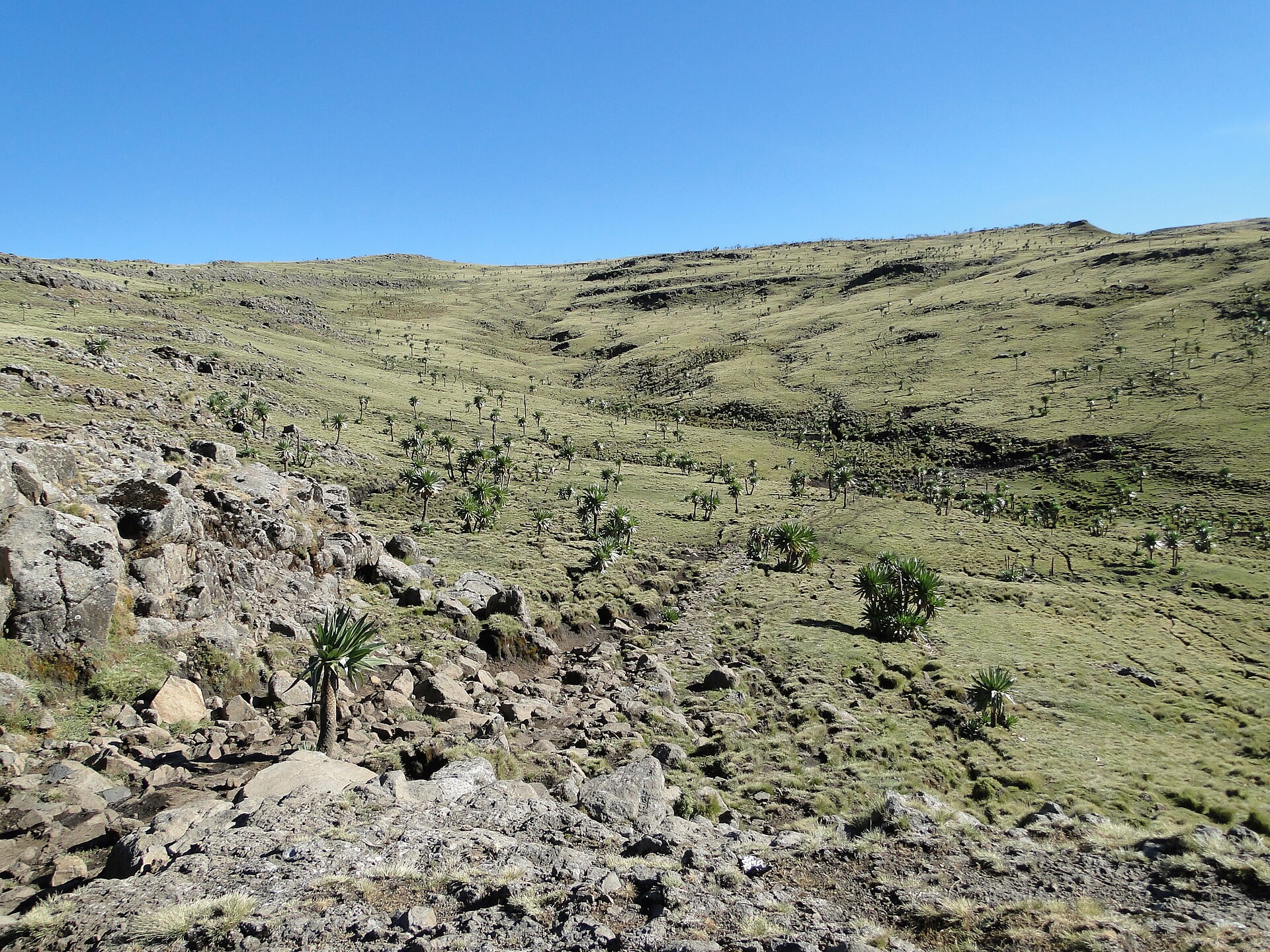
Origin landscape

High Ethiopian highland terrain - the altitude that slows cherry ripening

High Ethiopian highland terrain - the altitude that slows cherry ripening

Bernard Gagnon / Wikimedia Commons · CC BY-SA 3.0

Gedeo sits in southern Ethiopia’s highlands: iron-rich red soils, shade, and a wet season that favors washed processing because cherry can move to a mill the day it is picked. The landscape is gardens and forest edge, not Brazilian estate rows. That density of wild and semi-wild Arabica is the terroir.

Farmers and harvest

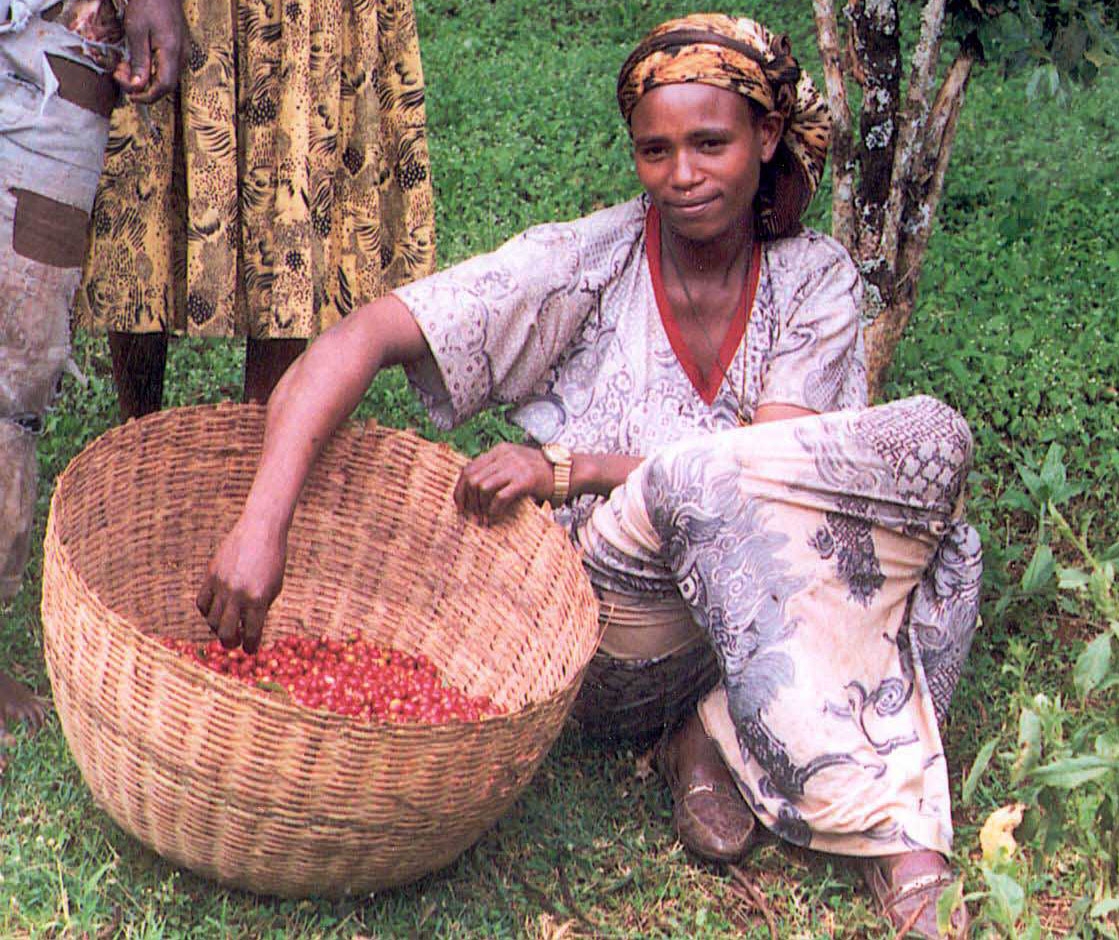
A coffee farmer harvesting cherries in Ethiopia

A coffee farmer harvesting cherries in Ethiopia

USAID / Wikimedia Commons · Public domain

Who grows it

Smallholders delivering cherry to a named washing station or cooperative.

Who grows it

A Yirgacheffe bag is rarely one farm. Hundreds of garden plots feed a station - Idido, Konga, Kochere, and similar names. The producer story is collective: families pick ripe red cherry, the station sorts and washes, the exporter lots by grade. When a bag lists a station, that is the traceability you actually have.

Process

Typically washed at a station, then dried on raised beds.

Process in detail

Smallholders pick cherry and deliver it the same day to a washing station. Pulping, fermentation, and a clean water wash strip fruit so landrace florals stay precise instead of jammy. Parchment dries on raised African beds for about two weeks. This is the opposite of a Hambela natural: same country, different process, different cup.

How the process shapes the cup

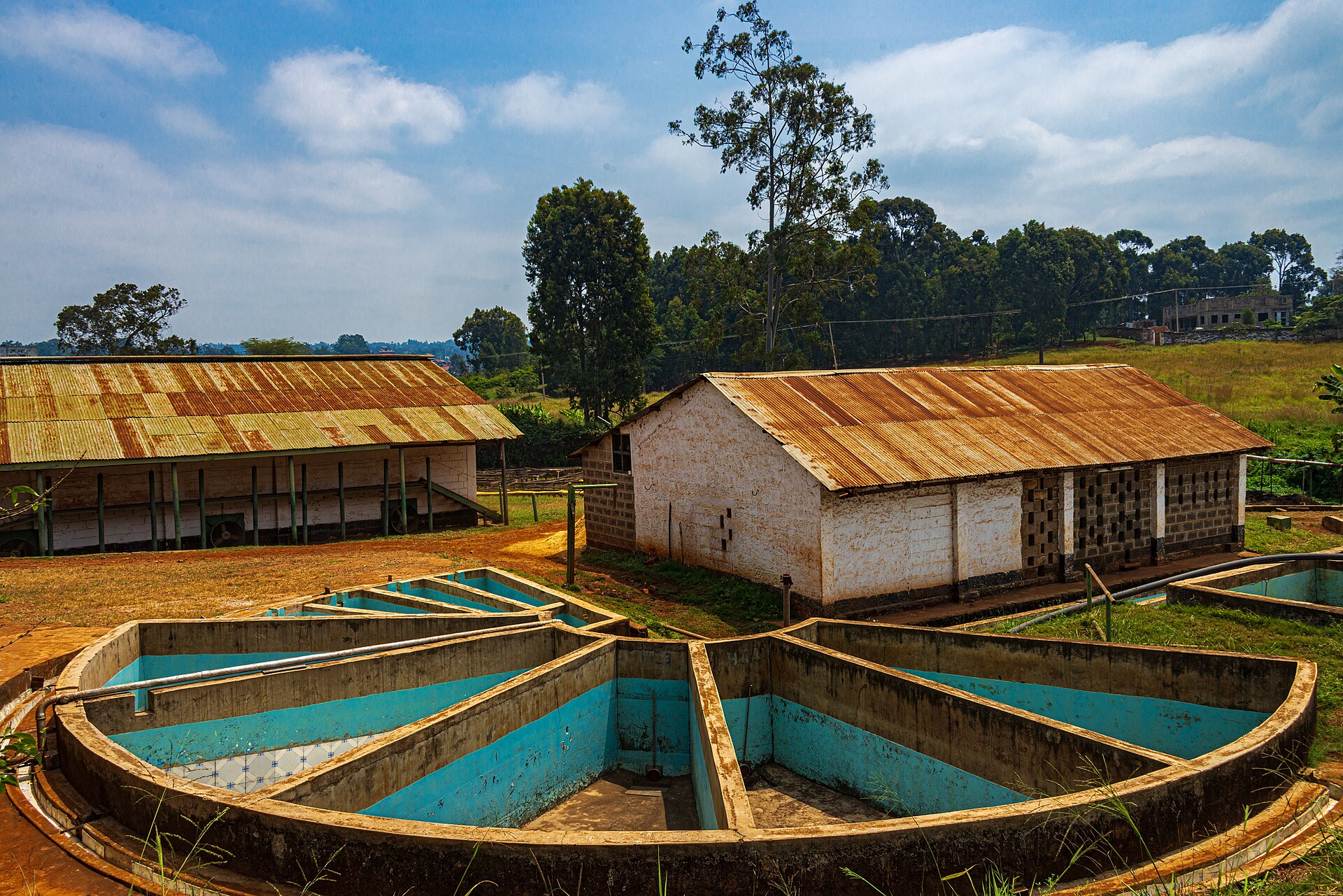
Coffee washing pits at a Kenyan estate, where mucilage is rinsed from parchment

Daniel Case / Wikimedia Commons · CC BY-SA 4.0

Washed

Washed

Skin and fruit come off soon after picking. The seed dries in parchment, so the cup stays clean and bright.

Clarity, citrus or floral sparkle, a lighter body than naturals from the same farm.

Ripe cherry is pulped within hours, then fermented in tanks or channels until the sticky mucilage lets go - often 12–36 hours, longer in cool highlands. Kenya adds a second clean-water soak after the wash. Parchment then dries on raised beds or patios to about 10–12% moisture. World Barista Championship routines treat this as the process that lets variety and altitude speak without jammy fruit from the skin.

The story

Ethiopia is the genetic home of Arabica. Washed Yirgacheffe became a specialty shorthand because washing stations in Gedeo proved that florals survive when fruit is removed early. SCA descriptive language (jasmine, bergamot, citrus) is not marketing poetry here; it is what cuppers check on the Coffee Value Assessment form. Brew it like tea: paper filter, not a dark espresso.

Brew

Filter

Pour-over, 15–16:1, medium-fine, just-off-boil. Skip milk. AeroPress with a paper filter also keeps the florals.

How to shop for it

Look for Yirgacheffe or washed Ethiopia, jasmine or bergamot, light roast.

On the supermarket shelf

Yirgacheffe or washed Ethiopia, jasmine or bergamot, light roast. Not a dark espresso bag.

How to read a bag →

Stomach comfort

Bright sparkle. Perceived acidity is not the same as how your stomach feels.

Sparkle is not the same as stomach feel →

Species

arabica

Altitude

High-grown - often 1,800–2,200m

Altitude

Gedeo zone lots labeled Yirgacheffe commonly grow between about 1,800 and 2,200 meters. Cool nights stretch ripening; the seed is dense, which is why light roasts still taste sweet instead of thin.

Varieties

Ethiopian landraces / heirloom (Kurume, Dega, Wolisho when named)

Varieties

Southern Ethiopia still grows enormous genetic diversity. Bags often say “heirloom” or “landrace.” When a mill names Kurume, Dega, or Wolisho, that is more honest than a single cultivar like SL28. Gesha’s parentage traces to Ethiopian forest coffee, which is why washed Yirgacheffe can smell like a competition Gesha at a fraction of the price.

Harvest

Main harvest roughly October–January, depending on woreda and altitude.

Harvest calendar

  1. J
  2. F
  3. M
  4. A
  5. M
  6. J
  7. J
  8. A
  9. S
  10. O
  11. N
  12. D

Northern harvest window. We cannot call a bag fresh without a roast date.

Compare with Another Origin