
Coffee is Sweet
Menu
Origin Profile

Panama

Panama in the cup

A short read

Taste it on the page first: notes, landscape, process, then how to spot the bag.

For people who already brew

Terroir, farmers, altitude, and a brew that fits this origin - plus how the process shapes the cup.

The origin guide

Producer story, harvest, variety, and process detail. Empty still means we will not guess a farm we cannot name.

What it is like

Bright, floral-fruit coffee from the slopes of Volcán Barú. Everyday lots are washed or natural Caturra and Catuai; Gesha is the tea-like auction coffee, not the default bag.

Chiriquí, on the foothills of Volcán Barú - shop Boquete or Volcán

What to say at the cafe

A Panama from Boquete or Volcán, light roast, black - floral or fruit, not a milk drink.

Milk and serve

  • Black

In the cup

  • floral honey
  • bright fruit
  • tea-like sweetness
  • citrus zest

Light and tea-like, with more sparkle than body - closer to a washed Ethiopia than to a Brazil.

Sensory shape

sweetnesssparklebodyroastlayers
Relative to this catalog, not SCA scores.

Natural sweetness

Origin landscape

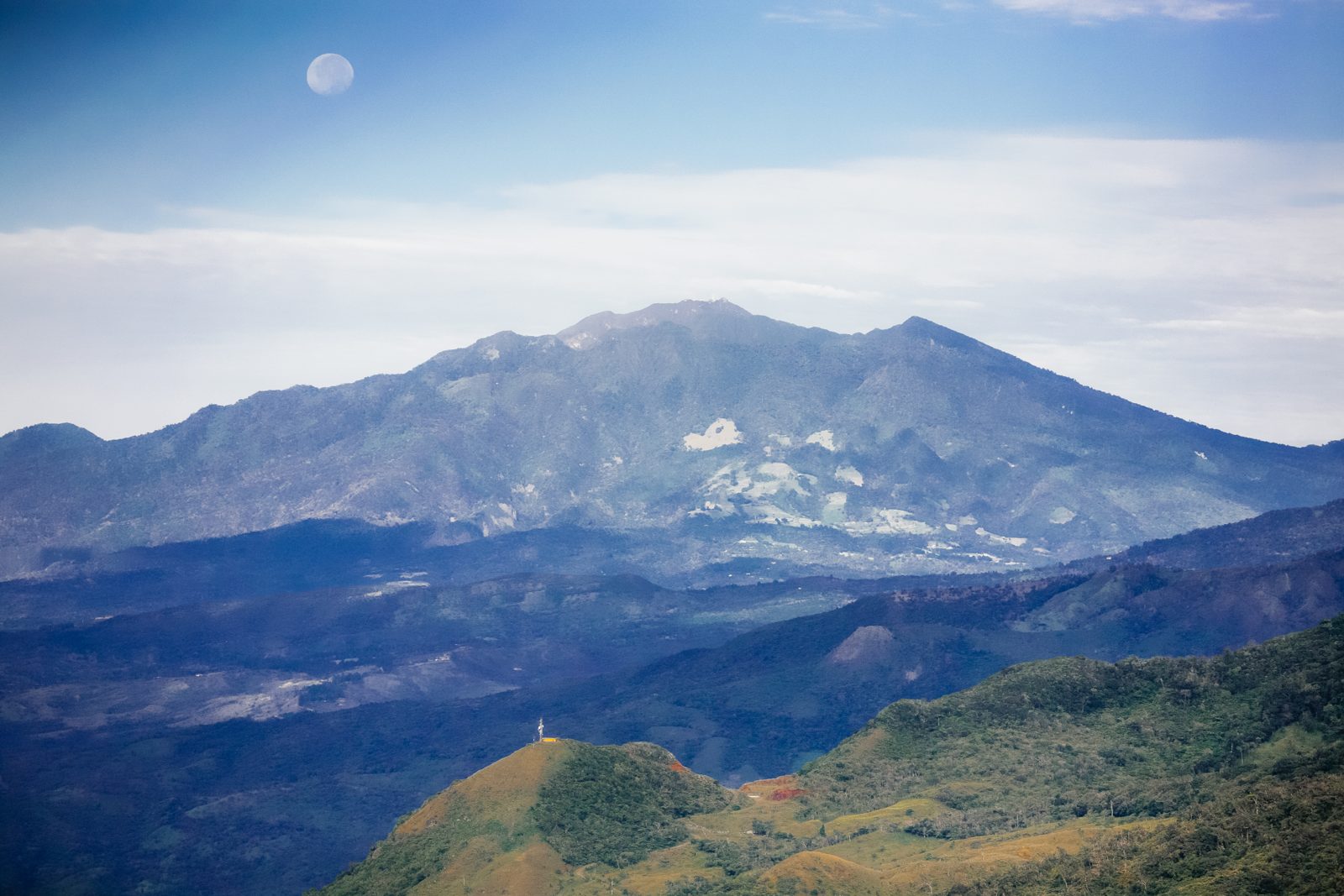
Volcán Barú overlooking the mountain town of Boquete, Panama’s coffee highlands

Volcán Barú overlooking the mountain town of Boquete, Panama’s coffee highlands

Alex Proimos / Wikimedia Commons · CC BY 2.0

Volcán Barú is the landscape. Coffee grows on its foothills in Chiriquí. Boquete catches the east-slope weather; Volcán sits opposite. Cool nights at 1,200–2,000m keep the body light and the florals or fruit loud. This is not a chocolate-nut origin.

Farmers and harvest

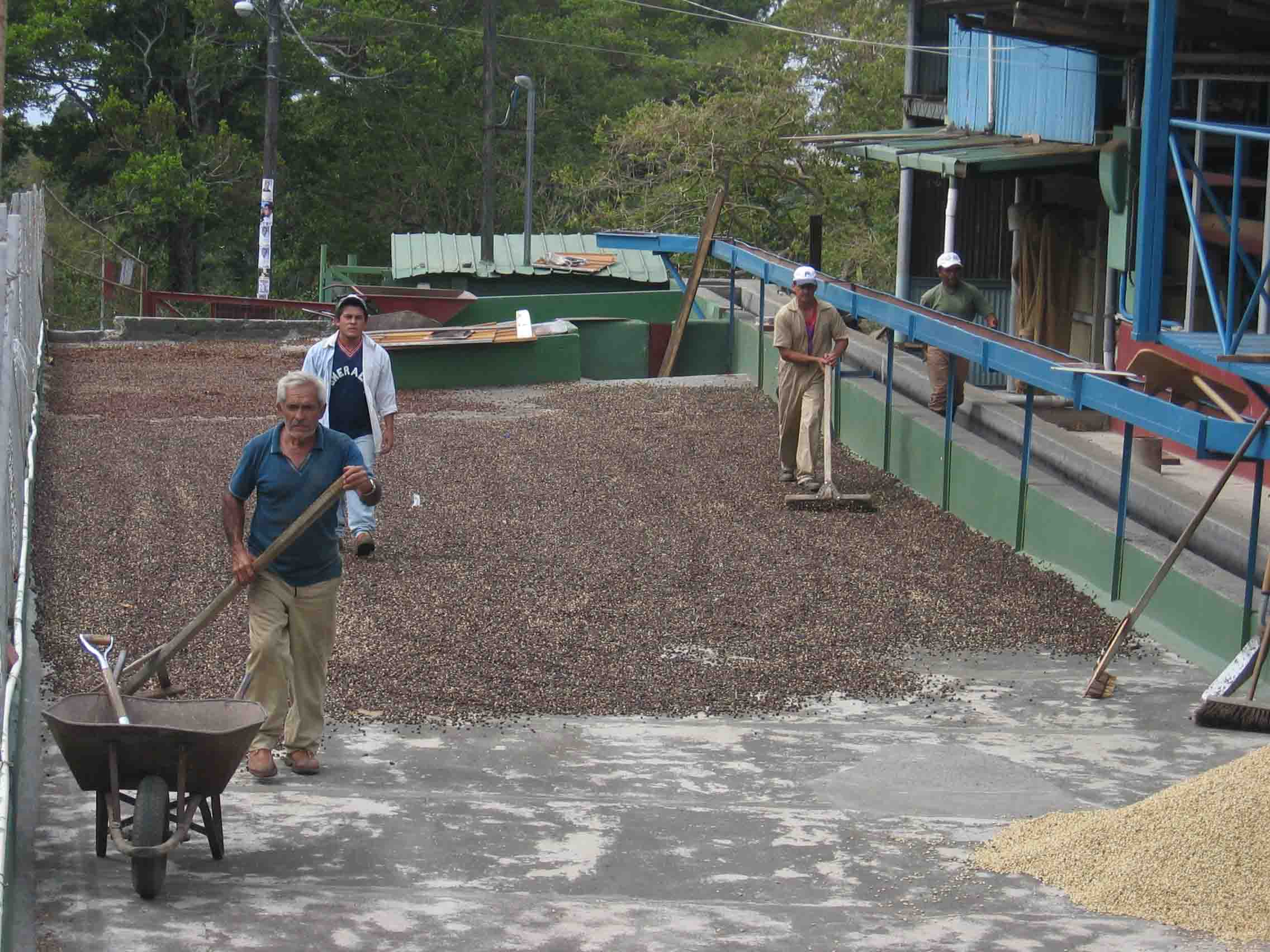
Coffee drying in the sun in Boquete, Panama

Coffee drying in the sun in Boquete, Panama

Dirk van der Made / Wikimedia Commons · CC BY 1.0

Who grows it

Estates and smallholders in Chiriquí, including Ngäbe-Buglé communities.

Who grows it

Chiriquí coffee comes from estates and from smallholders, including Ngäbe-Buglé producers. Boquete on the east slope and Volcán on the other side are the shopper towns; Renacimiento is another growing area. A region word plus washed or natural is the honest traceability on most bags.

Process

Washed and natural are both common; experimental lots exist.

Process in detail

Everyday Panama is washed or natural. Washed lots keep the cup tea-clean. Naturals dry whole cherry and push fruit. Experimental lots show up on specialty menus - they are not every bag. Do not assume a Panama is fermented in a sealed tank unless the label says so.

How the process shapes the cup

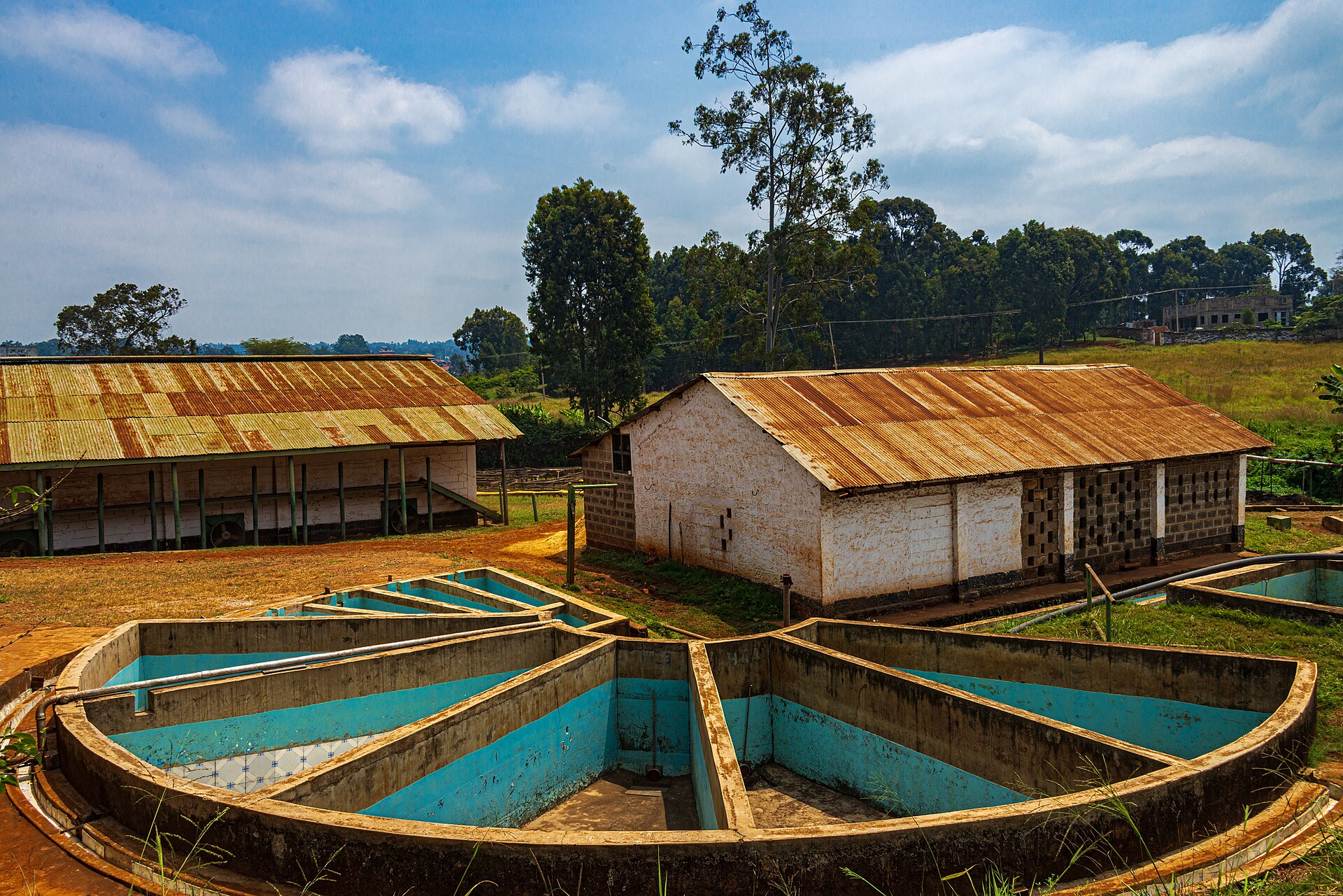
Coffee washing pits at a Kenyan estate, where mucilage is rinsed from parchment

Daniel Case / Wikimedia Commons · CC BY-SA 4.0

Washed

Washed

Skin and fruit come off soon after picking. The seed dries in parchment, so the cup stays clean and bright.

Clarity, citrus or floral sparkle, a lighter body than naturals from the same farm.

Ripe cherry is pulped within hours, then fermented in tanks or channels until the sticky mucilage lets go - often 12–36 hours, longer in cool highlands. Kenya adds a second clean-water soak after the wash. Parchment then dries on raised beds or patios to about 10–12% moisture. World Barista Championship routines treat this as the process that lets variety and altitude speak without jammy fruit from the skin.
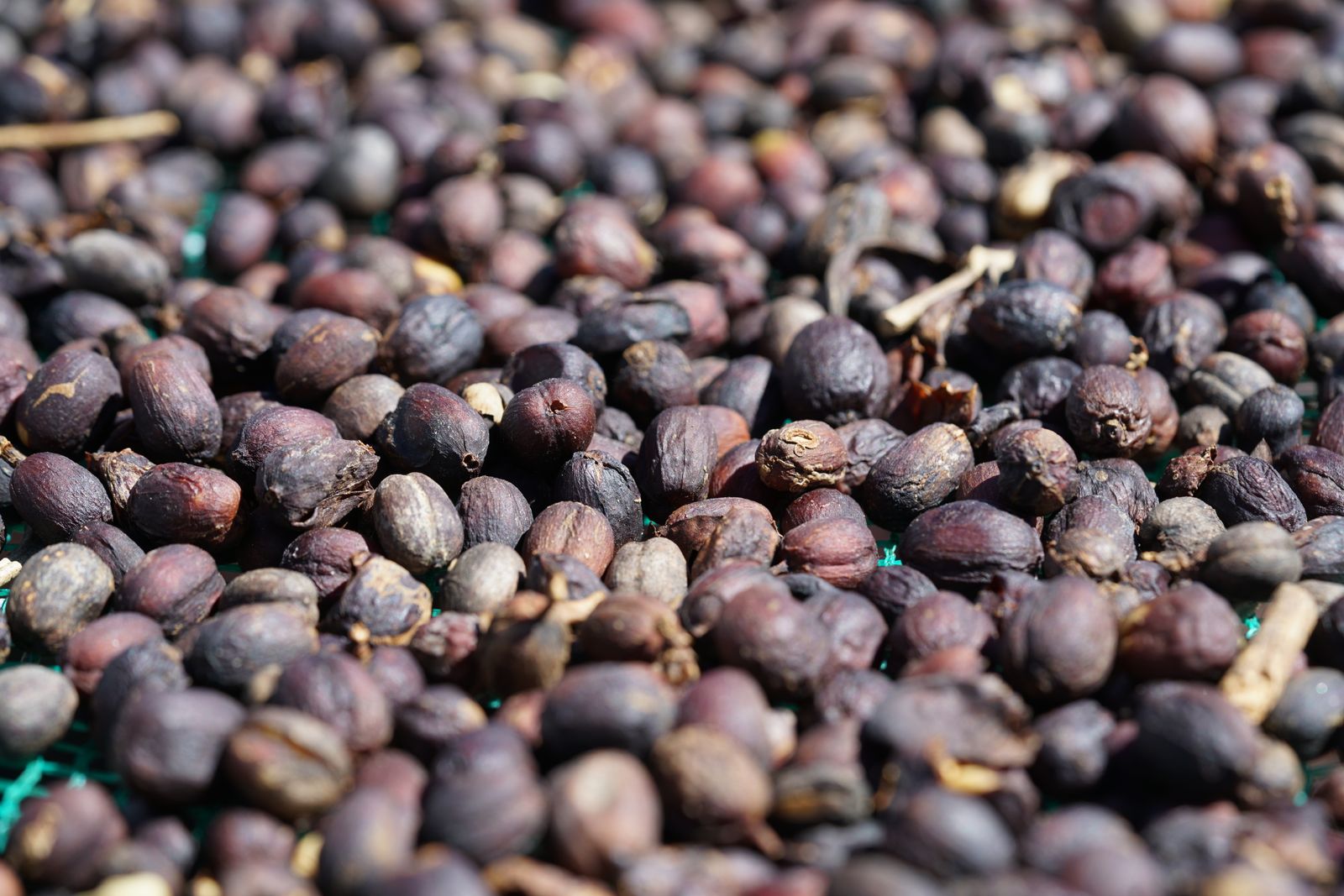
Whole coffee cherries drying on raised racks in the sun

1500m Coffee / Pexels · Pexels License

Natural

Natural

The whole cherry dries in the sun. Fruit sugars stay with the seed, so the cup is heavier and more jammy.

Berry, tropical fruit, wine-like sweetness, and a creamier body.

Sorted ripe cherries are spread on raised beds or patios and turned for two to four weeks until the fruit is raisin-dry. Airflow under African beds matters: stuck cherry ferments unevenly and tastes boozy. Brazil’s Cerrado uses patio and mechanical dryers at lower altitude; Ethiopian Guji and Hambela lots dry slower in cool highlands, which is why blueberry and strawberry show up so often on those bags.

The story

In 2004, Hacienda La Esmeralda’s Gesha lot won Best of Panama and reset what buyers thought a Central American cup could smell like - jasmine, bergamot, tea. That history belongs in the story, not on every shelf. Most bags from Chiriquí are still washed or natural Caturra and Catuai from estates and smallholders around Boquete and Volcán. Buy the named variety if you want the auction florals. Buy Boquete or Volcán if you want a bright, light-bodied filter coffee from the same volcano.

Brew

Filter

Pour-over, light roast, black. Treat Gesha lots like tea: plenty of water, no milk. Everyday Caturra and Catuai still want a paper filter so the florals stay clean.

How to shop for it

Look for Panama, Boquete or Volcán, washed or natural. Gesha is a variety, not every bag.

On the supermarket shelf

Panama, Boquete or Volcán, washed or natural. If it says Gesha or Geisha, that is the tea-floral auction variety, not the everyday lot.

How to read a bag →

Stomach comfort

Bright sparkle. Perceived acidity is not the same as how your stomach feels.

Sparkle is not the same as stomach feel →

Species

arabica

Altitude

Highland Boquete - often 1,200–2,000m

Altitude

Boquete lots commonly grow 1,200–2,000m on the east slope of Volcán Barú. Volcán sits on the other side of the same volcano. That height and volcanic soil are why even everyday Caturra and Catuai can taste floral-bright instead of chocolate-heavy.

Varieties

Caturra, Catuai; Gesha/Geisha on auction lots

Varieties

Caturra and Catuai are the everyday trees. Gesha - also spelled Geisha - is the tea-floral variety that made Panama famous at auction. Mundo Novo appears on some lots. A bag that only says Panama is probably Caturra or Catuai unless it names Gesha.

Harvest

Main harvest roughly November–March.

Harvest calendar

  1. J
  2. F
  3. M
  4. A
  5. M
  6. J
  7. J
  8. A
  9. S
  10. O
  11. N
  12. D

Northern harvest window. We cannot call a bag fresh without a roast date.

Compare with Another Origin