
Coffee is Sweet
Menu
Origin Profile

Peru

Peru in the cup

A short read

Taste it on the page first: notes, landscape, process, then how to spot the bag.

For people who already brew

Terroir, farmers, altitude, and a brew that fits this origin - plus how the process shapes the cup.

The origin guide

Producer story, harvest, variety, and process detail. Empty still means we will not guess a farm we cannot name.

What it is like

Clean and refreshing: soft florals and delicate fruit. A quiet cup if washed Ethiopias feel too loud.

Andean producing regions such as Cajamarca, Amazonas, Cusco, and San Martín

What to say at the cafe

A washed Peru, Cajamarca or Cusco if you have it - the quiet floral one, black, not heavy milk.

Milk and serve

  • Black

In the cup

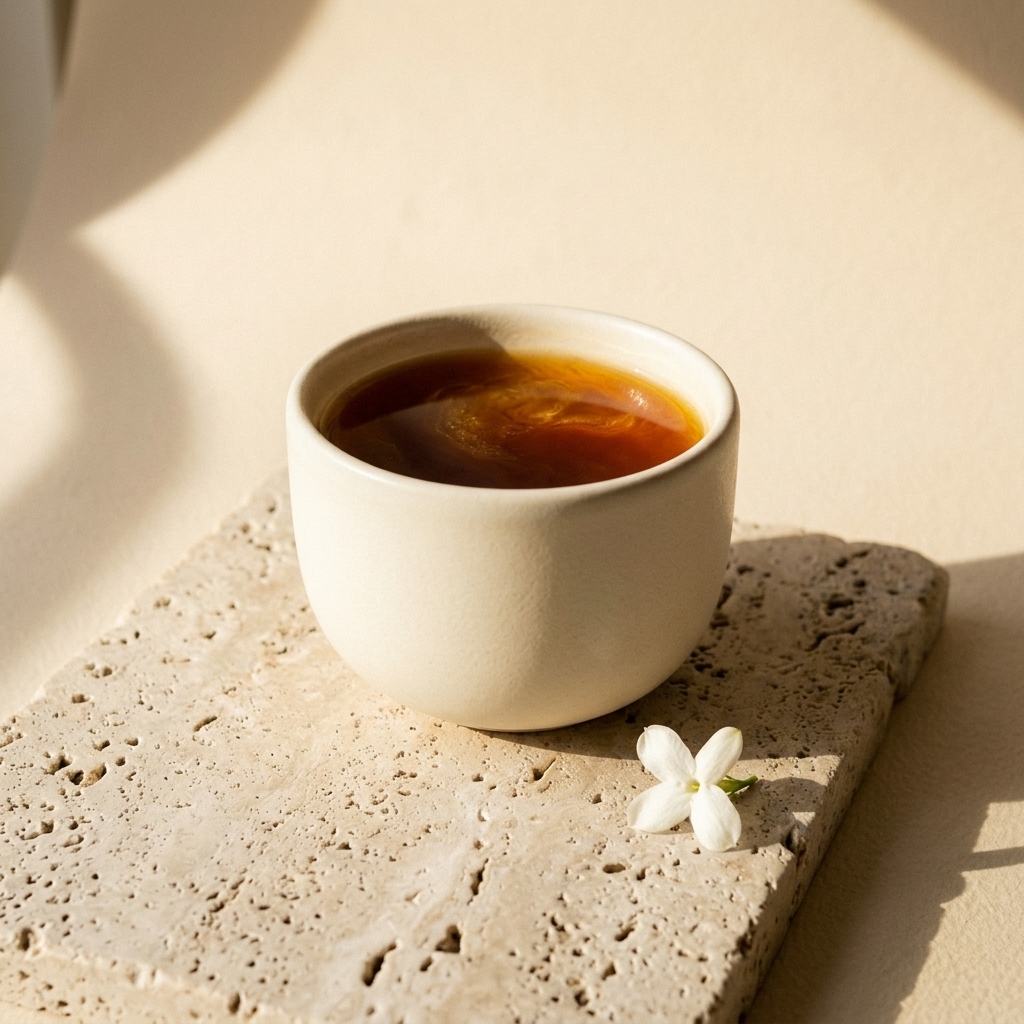
  • jasmine tea
  • green apple
  • cane sugar
  • almond
  • soft citrus

Light-medium, clean, and refreshing - quiet rather than syrupy.

Sensory shape

sweetnesssparklebodyroastlayers
Relative to this catalog, not SCA scores.

Natural sweetness

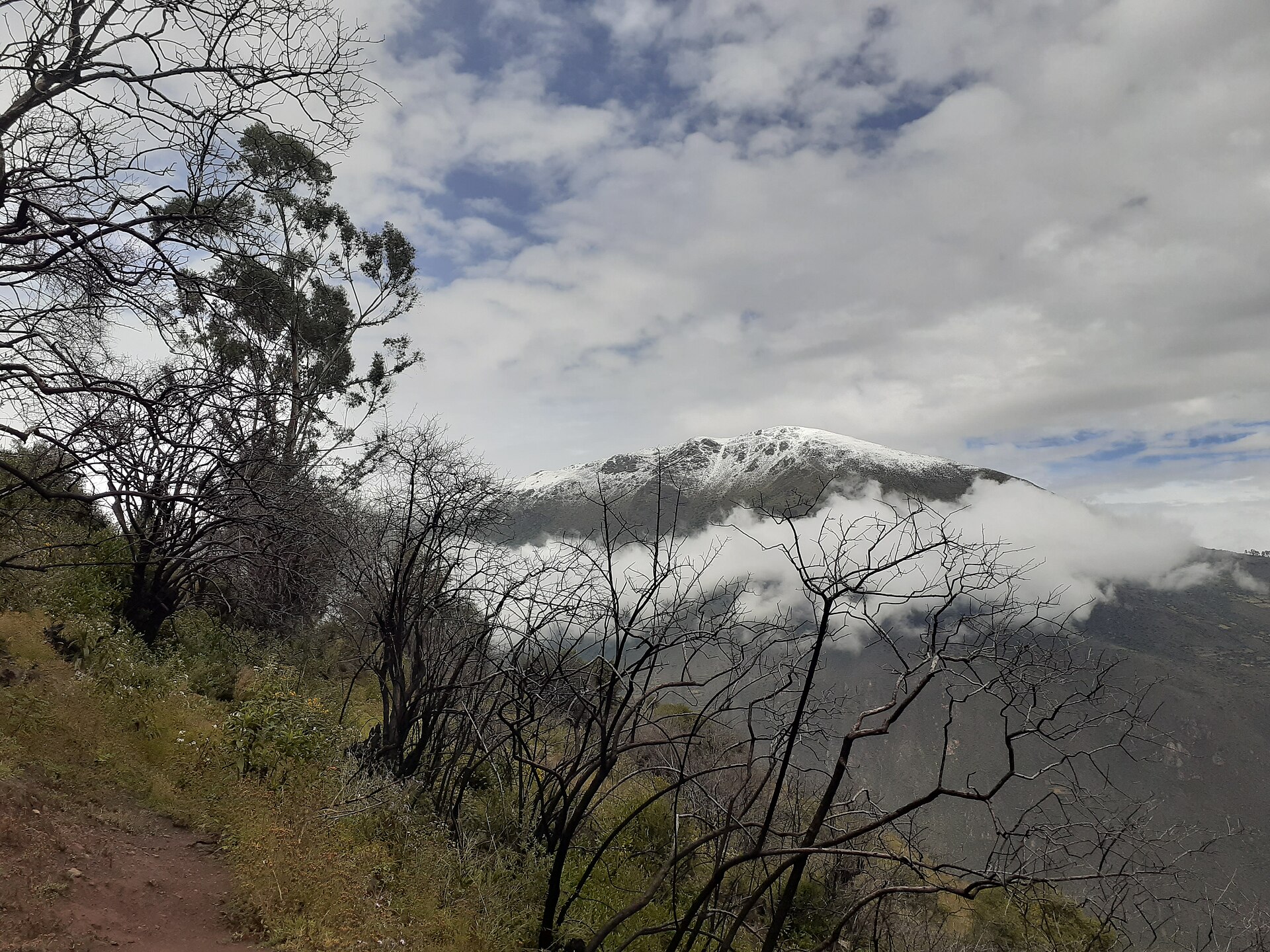
Origin landscape

The Sacred Valley in the Peruvian Andes, the altitude belt of washed specialty lots

The Sacred Valley in the Peruvian Andes, the altitude belt of washed specialty lots

Wikimedia Commons · CC BY-SA 4.0

Eastern Andean slopes facing Amazon humidity, or drier inter-Andean valleys. High farms in Cajamarca and Cusco give florals; jungle-edge San Martín lots can taste greener if altitude is lower. Shop for a highland region name.

Farmers and harvest

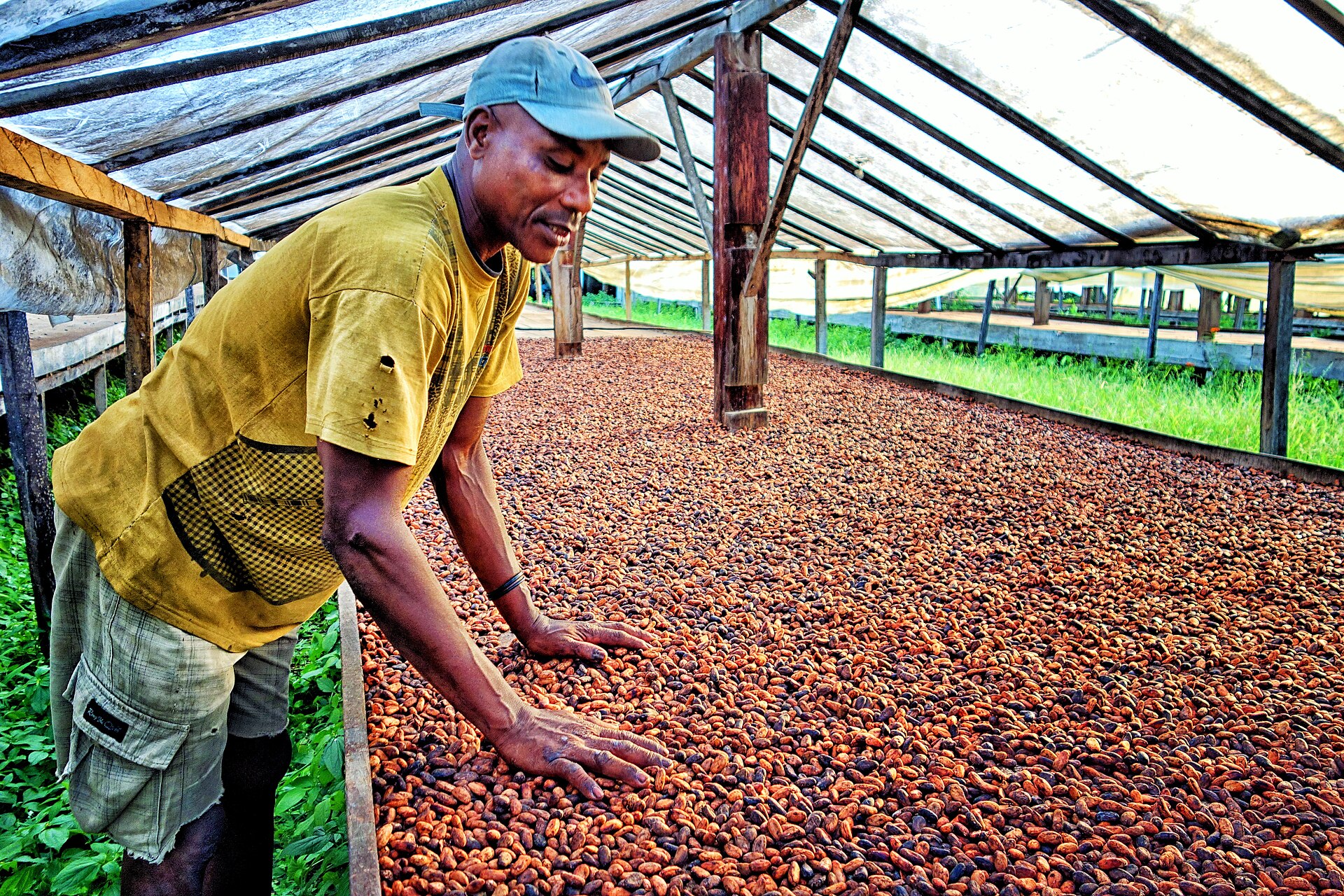
A coffee grower among the trees during harvest

A coffee grower among the trees during harvest

Wikimedia Commons · CC BY-SA 4.0

Who grows it

Smallholder cooperatives in Cajamarca, Amazonas, Cusco, and neighboring regions.

Who grows it

CENFROCAFE, CECANOR, and similar cooperatives made Peruvian smallholders visible to specialty buyers. A bag may name a cooperative, a district, or a women’s producer group. Traceability is often at association level rather than a single finca - still a real producer story, just a collective one.

Process

Often washed.

Process in detail

Washed Peruvian lots are pulped and fermented at small mills, then dried on raised beds or tarps. The profile is clean, floral, and lightly fruity rather than heavy or earthy - closer to a quiet Colombia than to Sumatra. Honey and natural experiments exist in Cajamarca and Cusco but are still the minority on export bags.

How the process shapes the cup

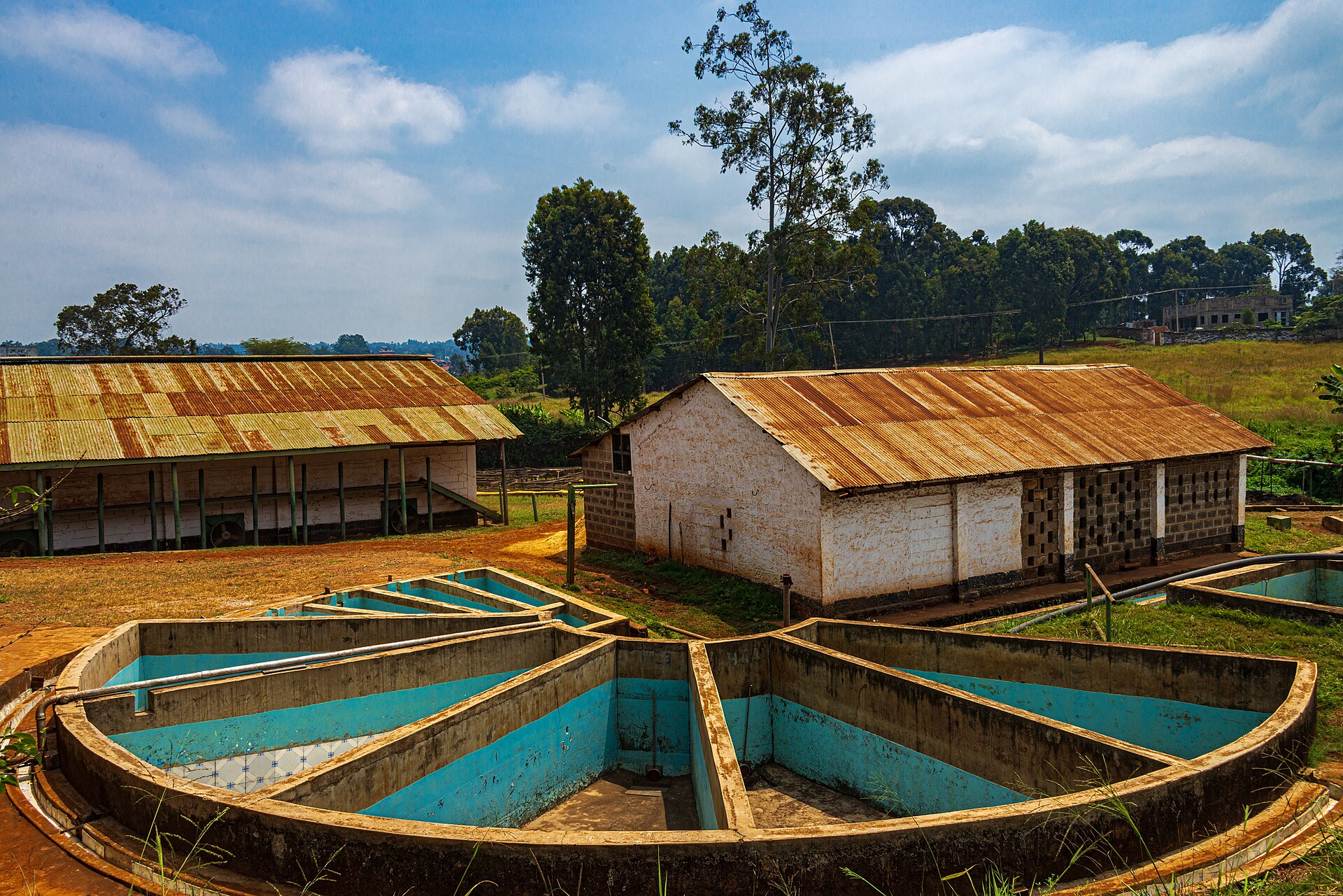
Coffee washing pits at a Kenyan estate, where mucilage is rinsed from parchment

Daniel Case / Wikimedia Commons · CC BY-SA 4.0

Washed

Washed

Skin and fruit come off soon after picking. The seed dries in parchment, so the cup stays clean and bright.

Clarity, citrus or floral sparkle, a lighter body than naturals from the same farm.

Ripe cherry is pulped within hours, then fermented in tanks or channels until the sticky mucilage lets go - often 12–36 hours, longer in cool highlands. Kenya adds a second clean-water soak after the wash. Parchment then dries on raised beds or patios to about 10–12% moisture. World Barista Championship routines treat this as the process that lets variety and altitude speak without jammy fruit from the skin.

The story

Peru is one of the world’s largest organic coffee exporters, built on smallholders in the northern and southern Andes. The cup does not shout. That is the point: if Yirgacheffe is a perfume and Kenya is a currant cordial, washed Peru is a glass of jasmine tea with apple. Stay with it; the sweetness shows as it cools.

Brew

Filter

Pour-over or AeroPress, light-medium roast. Do not bury it in dark roast or heavy milk.

How to shop for it

Look for Peru, washed, floral or clean. Cajamarca or Cusco if a region is listed.

On the supermarket shelf

Peru, washed, floral or clean. Cajamarca or Cusco if a region is listed.

How to read a bag →

Stomach comfort

Gentler sparkle - a rounder cup for many stomachs.

Sparkle is not the same as stomach feel →

Species

arabica

Altitude

High Andes - often 1,200–2,000m

Altitude

Cajamarca, Amazonas, and Cusco specialty lots commonly grow 1,400–2,000m. That altitude supplies the soft floral lift; it is not as extreme as Nariño’s highest farms, which is why Peru stays gentle.

Varieties

Typica, Caturra, Bourbon, Catimor (when labeled)

Varieties

Typica still matters in Peru more than in many Central American origins, alongside Caturra and Bourbon. Catimor and other rust-resistant hybrids appear at lower or wetter farms. Organic certification is common because many cooperatives built markets on it - useful, but not a flavor family by itself.

Harvest

Often April–September in the north; timing shifts with valley and altitude.

Harvest calendar

  1. J
  2. F
  3. M
  4. A
  5. M
  6. J
  7. J
  8. A
  9. S
  10. O
  11. N
  12. D

Often arriving at shops now. Southern harvest window. We cannot call a bag fresh without a roast date.

Compare with Another Origin