
Coffee is Sweet
Menu
Origin Profile

Uganda (Mount Elgon)

Uganda (Mount Elgon) in the cup

A short read

Taste it on the page first: notes, landscape, process, then how to spot the bag.

For people who already brew

Terroir, farmers, altitude, and a brew that fits this origin - plus how the process shapes the cup.

The origin guide

Producer story, harvest, variety, and process detail. Empty still means we will not guess a farm we cannot name.

What it is like

High volcanic slopes and East African varieties can give a sweet, lively cup. Look for Elgon on the bag, not generic robusta Uganda.

Mount Elgon / Bugisu, on the Kenya border - not generic robusta Uganda

What to say at the cafe

Uganda Mount Elgon, Arabica - not generic robusta. Light roast, black.

Milk and serve

  • Black

In the cup

  • stone fruit
  • floral honey
  • bergamot
  • brown sugar
  • black tea

Medium, sweet, and lively - less punchy than Kenya, more fruit than a mild Colombia.

Sensory shape

sweetnesssparklebodyroastlayers
Relative to this catalog, not SCA scores.

Natural sweetness

Origin landscape

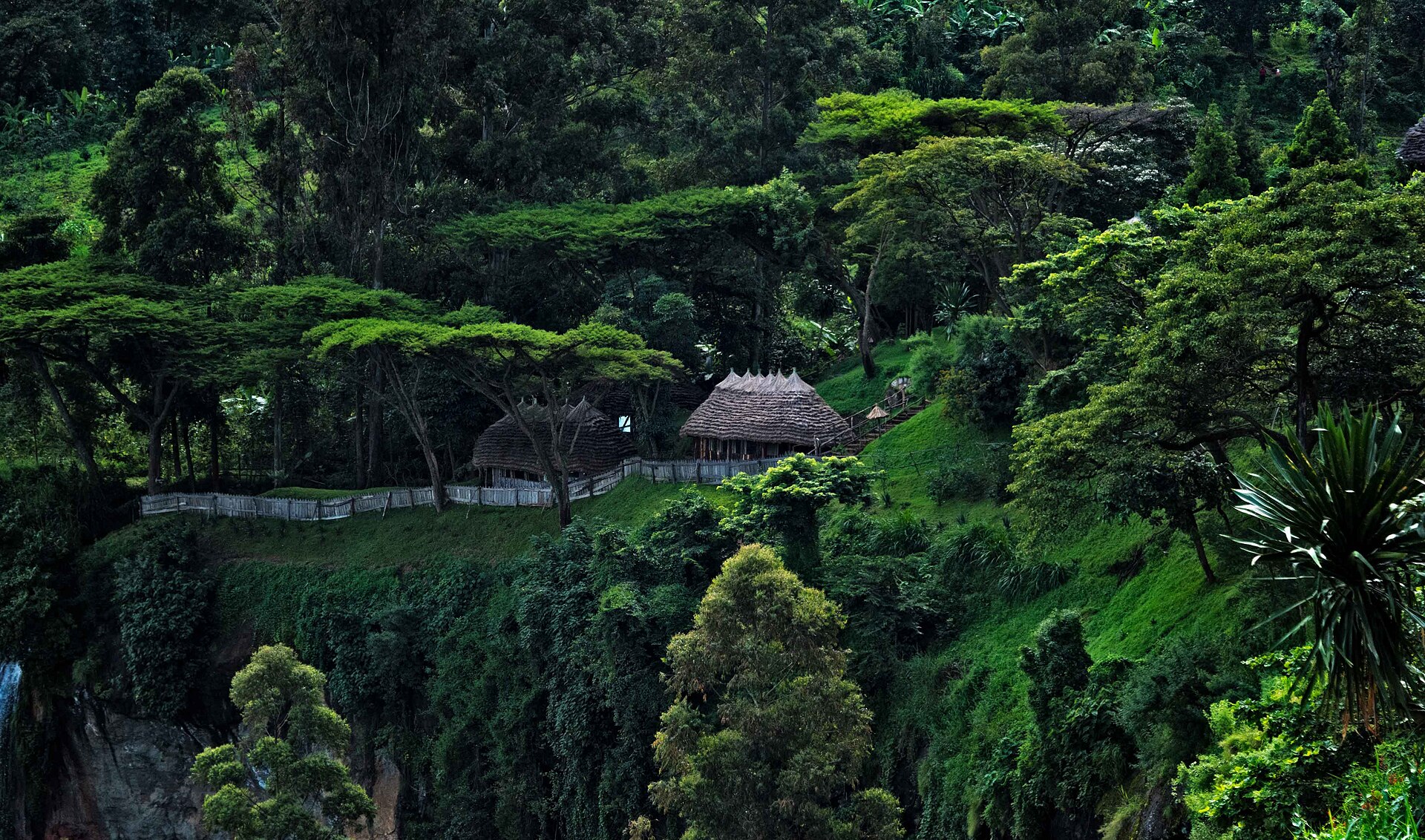
Mount Elgon on the Uganda–Kenya border, where Bugisu Arabica is grown

Mount Elgon on the Uganda–Kenya border, where Bugisu Arabica is grown

Wikimedia Commons · CC BY-SA 2.0

Elgon’s volcanic slopes, high rainfall, and montane forest. Sipi Falls is the landscape landmark. Soils and altitude overlap Kenya’s, which is why florals and stone fruit appear - process and variety complete the resemblance.

Farmers and harvest

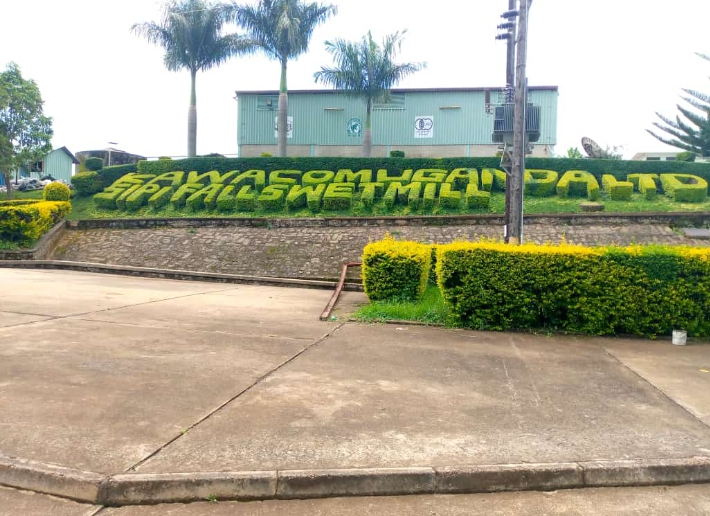
Sipi Falls wet mill on the slopes of Mount Elgon, Uganda

Sipi Falls wet mill on the slopes of Mount Elgon, Uganda

LKLM / Wikimedia Commons · CC BY-SA 4.0

Who grows it

Bugisu smallholders and wet mills on Elgon, including stations near Sipi Falls.

Who grows it

Historically the Bugisu Cooperative Union organized much of the Arabica. Today private mills (for example around Kapchorwa / Sipi) buy cherry from smallholders on the volcano’s farms. The producer picture is East African: family plots, washed mill, raised beds - closer to Kenya than to Brazilian estates.

Process

Specialty lots are often washed at a wet mill.

Process in detail

Bugisu / Elgon Arabica is typically washed: cherry to a mill such as the stations around Sipi Falls, pulped, fermented, dried on raised beds. That is the same family of process as Kenya, without Kenya’s extra soak and AA screening culture. Naturals exist but washed is the bag to seek if you want floral-fruit clarity.

How the process shapes the cup

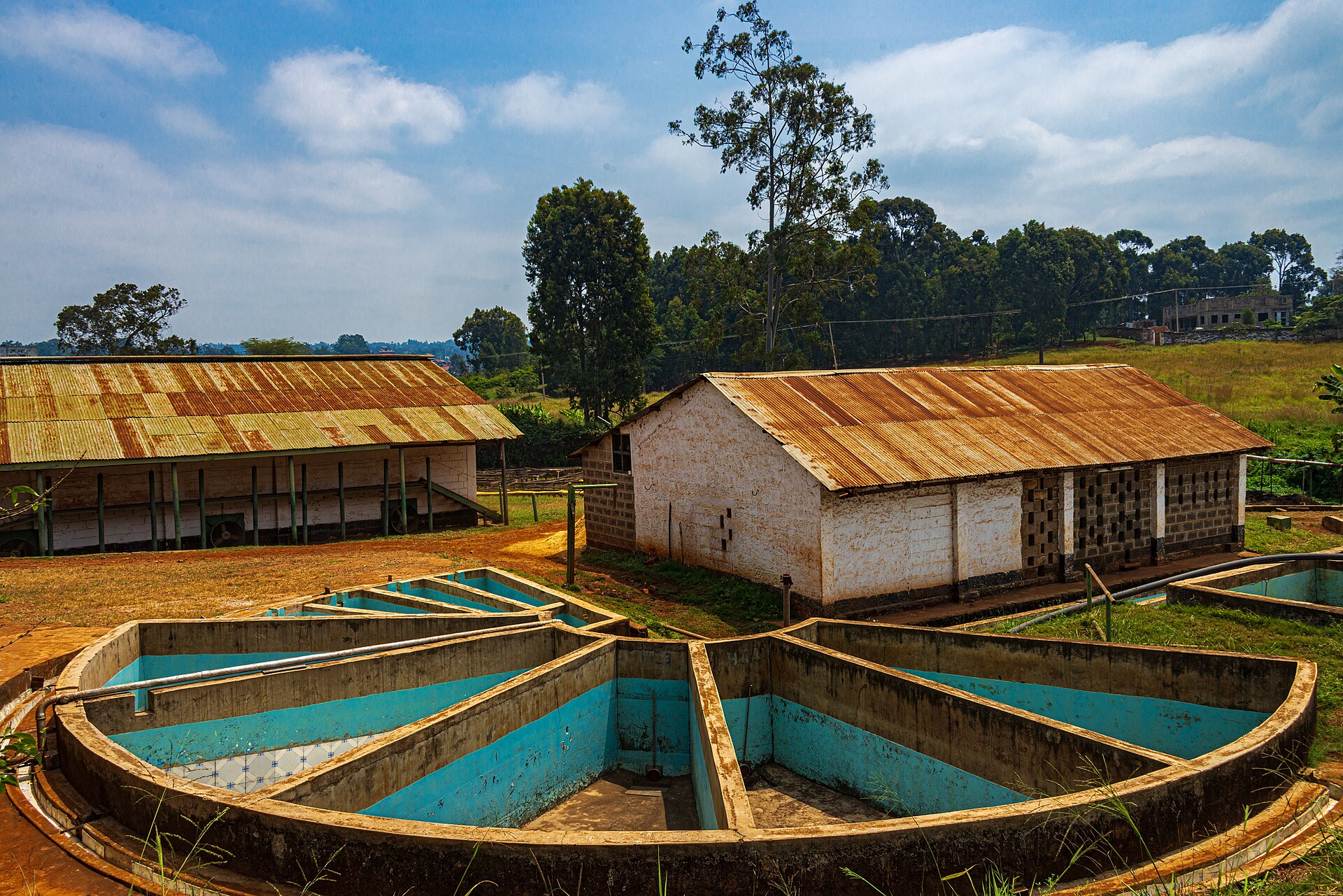
Coffee washing pits at a Kenyan estate, where mucilage is rinsed from parchment

Daniel Case / Wikimedia Commons · CC BY-SA 4.0

Washed

Washed

Skin and fruit come off soon after picking. The seed dries in parchment, so the cup stays clean and bright.

Clarity, citrus or floral sparkle, a lighter body than naturals from the same farm.

Ripe cherry is pulped within hours, then fermented in tanks or channels until the sticky mucilage lets go - often 12–36 hours, longer in cool highlands. Kenya adds a second clean-water soak after the wash. Parchment then dries on raised beds or patios to about 10–12% moisture. World Barista Championship routines treat this as the process that lets variety and altitude speak without jammy fruit from the skin.

The story

Uganda is famous for robusta. Mount Elgon is the rebuttal: an extinct volcano shared with Kenya, Arabica gardens, and mills at Sipi Falls. Specialty buyers come for SL varieties at altitude, not for instant-coffee robusta. If a bag only says “Uganda,” ask whether it is Elgon Arabica. The mountain is the whole argument.

Brew

Filter

Pour-over, light roast. Treat it like a quieter Kenya. Confirm Arabica / Elgon before brewing as espresso.

How to shop for it

Look for Uganda Mount Elgon, Arabica, high grown - not generic instant robusta.

On the supermarket shelf

Uganda Mount Elgon, Arabica, high grown - not generic instant robusta.

How to read a bag →

Stomach comfort

Bright sparkle. Perceived acidity is not the same as how your stomach feels.

Sparkle is not the same as stomach feel →

Species

arabica

Altitude

High (Elgon) - about 1,600–2,200m

Altitude

Coffee on Elgon’s Ugandan slopes (Kapchorwa, Bududa, Sironko, Mbale) commonly grows 1,600–2,200m on volcanic soils. That is why this origin is listed separately from the robusta that still dominates Uganda’s export volume.

Varieties

SL14, SL28, Nyasaland (when labeled)

Varieties

SL14 and SL28 - Kenyan research-station cousins - are named on many Elgon lots, plus Nyasaland (old Typica-related stock). The cup can echo Kenya’s fruit with a softer, more floral edge. Species labeling matters here: robusta from lowland Uganda is a different drink.

Harvest

Main harvest roughly October–February on many Elgon farms.

Harvest calendar

  1. J
  2. F
  3. M
  4. A
  5. M
  6. J
  7. J
  8. A
  9. S
  10. O
  11. N
  12. D

Northern harvest window. We cannot call a bag fresh without a roast date.

Compare with Another Origin